Explore our leading product lineup featuring precision manufacturing, specialized marine coatings, and structural aluminum profiles.
Analyzing safety engineering, critical load distribution, and structural developments across the helideck protection industry.
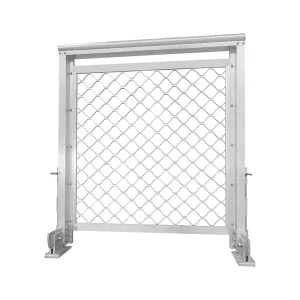
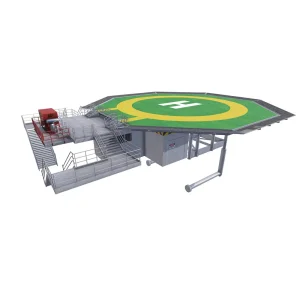
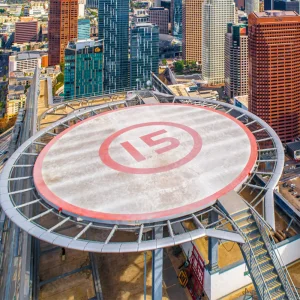
The global helideck market operates under highly strict safety parameters. Aviation regulatory bodies, such as the UK Civil Aviation Authority (CAP 437) and the Federal Aviation Administration (FAA), dictate that every heliport or marine helideck platform must have a peripheral safety net system. These systems prevent personnel from falling from height and stop debris from entering flight paths. Helideck guard nets are engineered to withstand extreme drop test energies without failing or permanently deforming.
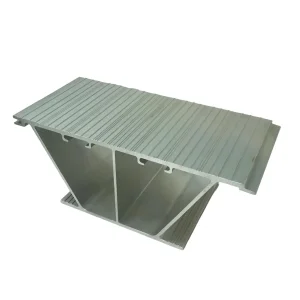
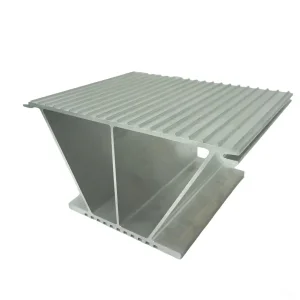
Historically, heavy galvanized steel or short-lived synthetic fiber netting systems dominated the market. Today, maritime operators and skyscraper builders prefer marine-grade structural aluminum profiles combined with high-grade stainless steel or aluminum mesh. Aluminum offers high strength-to-weight ratios, excellent corrosion resistance in saltwater environments, and significantly lower maintenance costs over a 25-year service life.
The growth of the helideck protection industry is linked to three macro-economic trends: the expansion of offshore wind substations, the modernization of trauma healthcare networks requiring hospital rooftop heliports, and the rise of high-altitude urban vertiports for Advanced Air Mobility (AAM) systems, including electric vertical take-off and landing (eVTOL) aircraft.
Delivering high-precision R&D and advanced industrial manufacturing since 2015.
Established in 2015 and located in Foshan City, Guangdong, LvXing Intelligent Equipment Co., Ltd. boasts a skilled R&D team with extensive experience. We leverage exceptional technical expertise to effectively transform customers' ideas into reality, consistently meeting their precise requirements.
We utilize premium Fenglu aluminum, offering a diverse range of profiles for flexible applications. Our extrusion lines, ranging from 800T to 20,000T, accommodate alloys 1xxx, 2xxx, 3xxx, 5xxx, 6xxx, and 7xxx, allowing us to produce shaped products with section dimensions up to 1.2 meters in width and 28 meters in length. These products are recognized for their precision and meticulous processing, finding broad application in aerospace, military, medical, and industrial sectors.
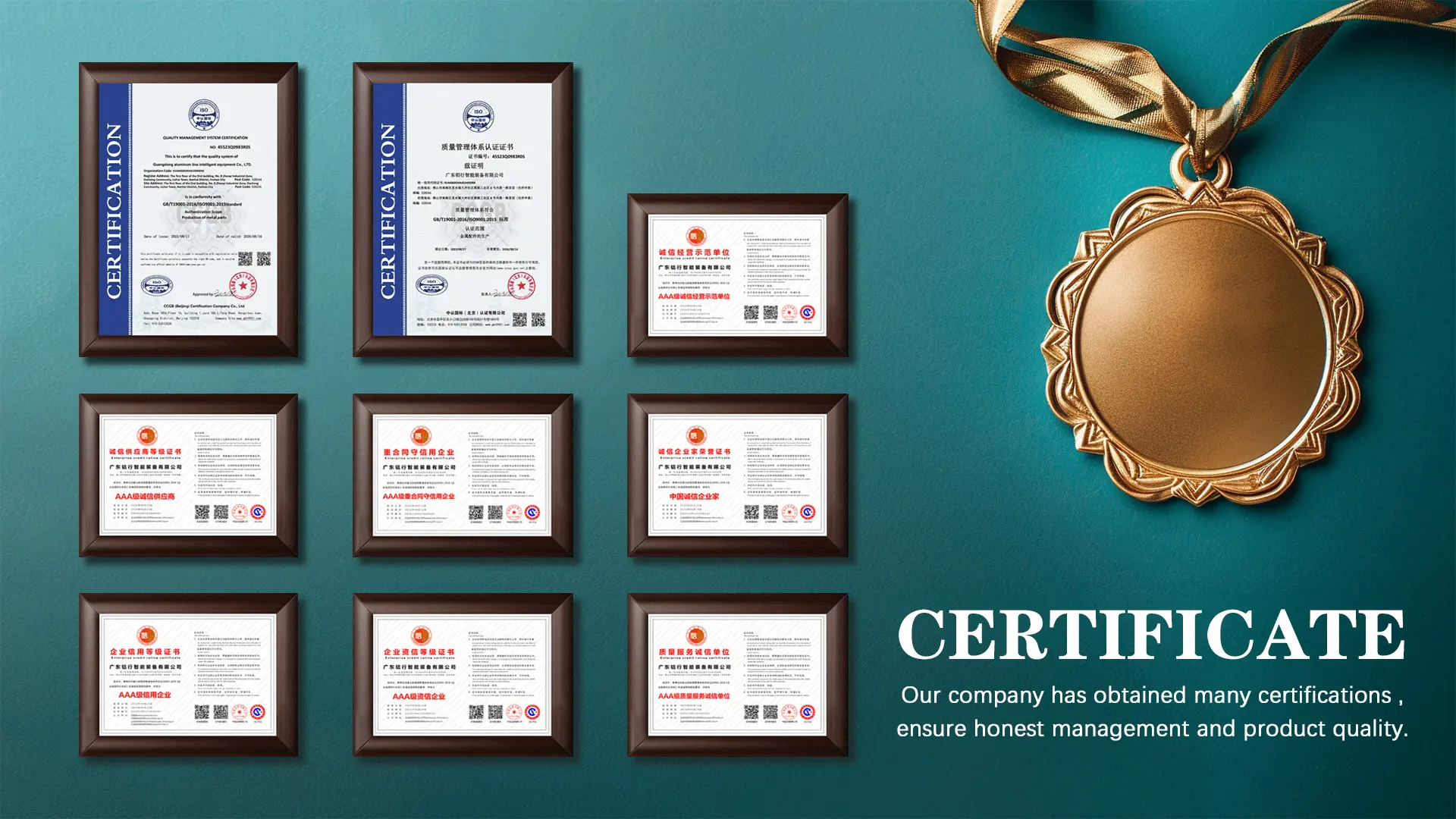
Our commitment to excellence is evident throughout the manufacturing process, rigorous quality control, thorough packaging, and efficient shipping procedures. This dedication has earned us recognition as a national excellent and honest enterprise, along with quality system certification in accordance with GB/T19001-2016/ISO9001:2015 standards.
We aspire to be your trusted business partner and warmly invite you to visit our factory.
How we combine advanced material science with precise manufacturing capacity to protect critical aviation assets.
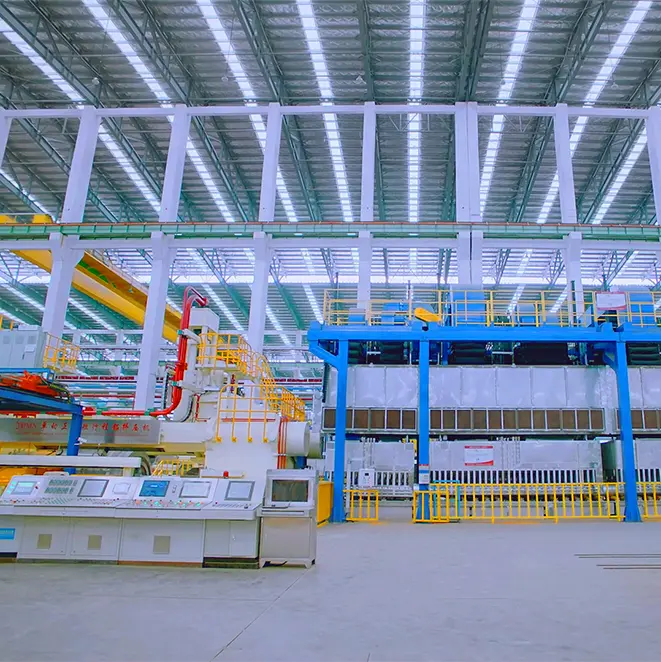

We have obtained the "Special Aluminium Materials for Aerospace" Certificate, verifying that our alloys meet high stress tolerance and safety thresholds.
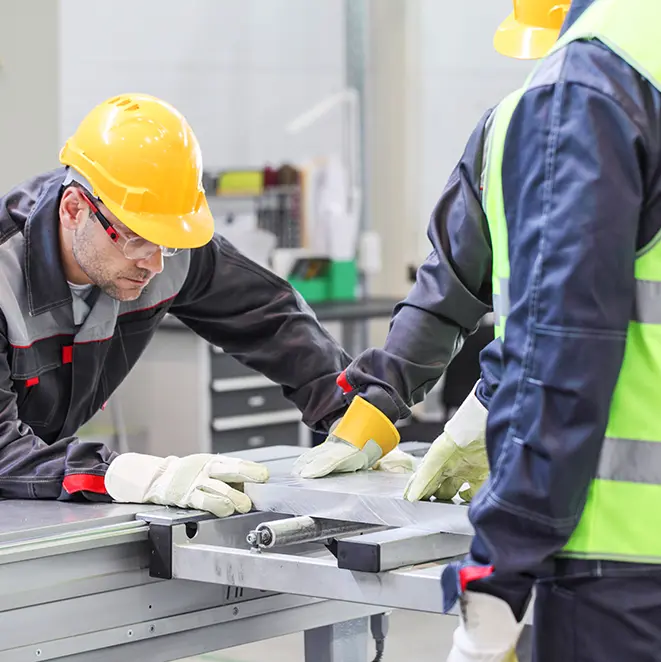

We provide and utilize high-quality Fenglu aluminum profiles. With extrusion lines ranging from 800T to 20,000T, we can produce alloys 1xxx, 2xxx, 3xxx, 5xxx, 6xxx, and 7xxx. We can manufacture fully shaped products with section dimensions up to 1.2 meters in width or 28 meters in length.
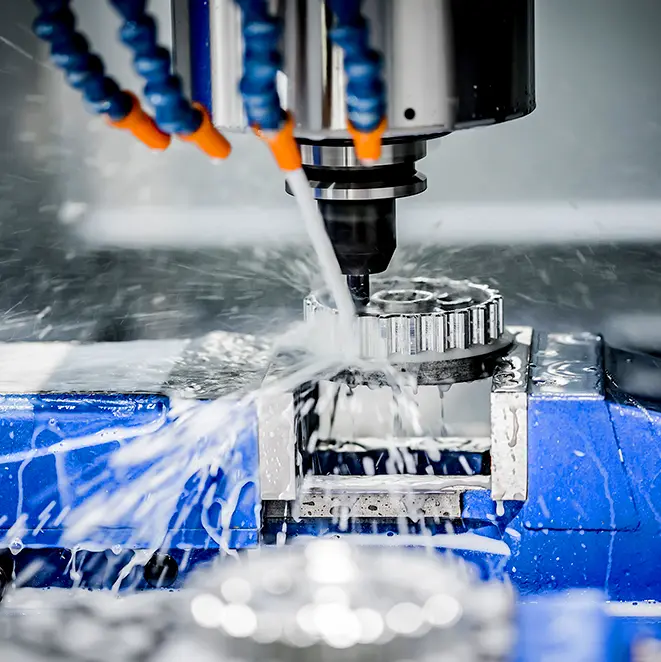

We have a team of technicians with 15 years of invaluable experience. Our deep understanding of customer requirements allows us to identify potential issues and offer practical insights, turning customer ideas into tangible products that meet specific needs.
How we customize safety systems for different locations, environments, and weather patterns.
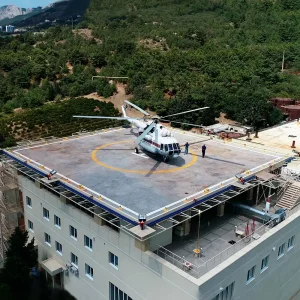
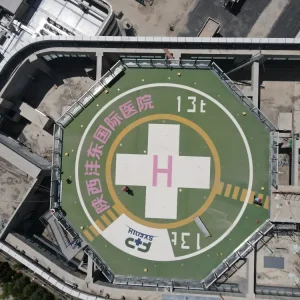
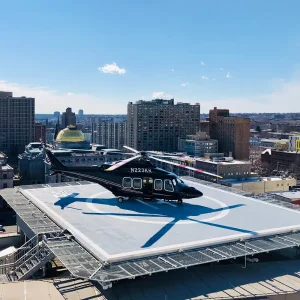
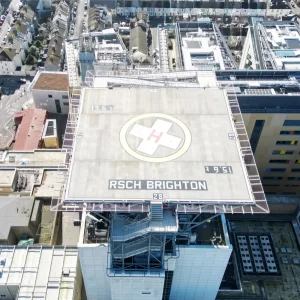
Hospital rooftop environments require clean, reliable, and corrosion-resistant materials. The lightweight profile of aluminum alloy structures reduces structural loads on existing hospital frameworks. Perimeter safety net frames must also remain stable under hot exhaust gas exposure from helicopter engines and high winds at tall altitudes, without losing structural integrity.
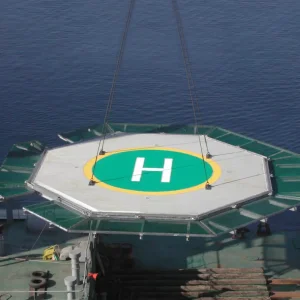
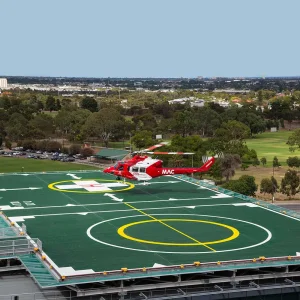
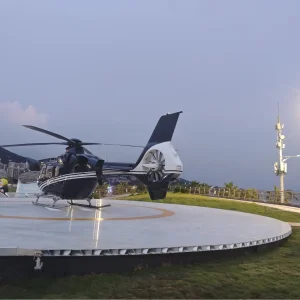
Salt spray, high UV exposure, and continuous dynamic waves place severe stress on offshore components. Using marine-grade 6082-T6 and 6061-T6 aluminum alloys extrusion profiles ensures our helideck perimeter safety systems resist pitting corrosion. Our systems undergo rigorous testing to withstand offshore wind loads, sea spray, and temperature swings.
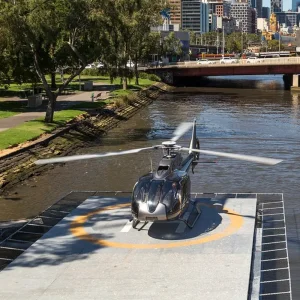
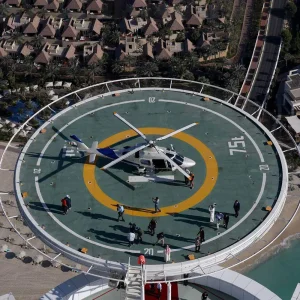
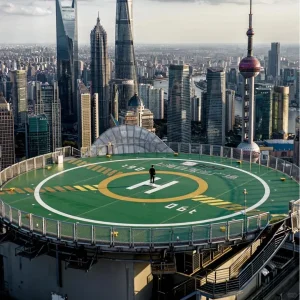
City high-rises experience complex wind turbulence and building movement. We supply high-ductility aluminum mesh and framing assemblies that absorb and distribute wind energy. These assemblies are engineered to minimize vibration transfer to the main building structure while maintaining a clean, modern aesthetic.
Developing next-generation helideck safety systems through material science and integrated smart technologies.
By using Fenglu 6xxx and 7xxx structural aluminum alloys, we are improving profile cross-sections to reduce overall weight by 15% while keeping the same yield strength. This optimization enables faster, safer onsite manual installation without sacrificing load capacity.
The future of helideck safety includes real-time telemetry. We are developing smart, motorized safety net frames that retract automatically during non-operational periods or high-wind emergencies. We are also testing integrated fiber-optic strain sensors that send warnings when safety nets experience deformation or require maintenance.
As Electric Vertical Take-off and Landing (eVTOL) technology matures, we are designing modular safety netting configurations. These configurations are customized for urban vertiports, ensuring fire-retardant performance, integrated LED safety lighting, and low electromagnetic interference (EMI) with avionics.
Delivering complete, turnkey solutions from initial engineering analysis to site installation support.
We work closely with structural engineers to provide custom FEA (Finite Element Analysis) simulations, ensuring our safety frame geometries can withstand the dynamic load requirements of specific landing facilities.
Our large-scale extrusion capacities (up to 20,000T) allow us to manufacture, finish (anodizing/powder coating), and pre-assemble structural support arms, safety mesh panels, and mounting hardware in-house.
All delivered items come with complete material test reports (MTRs), CE certifications, and proof of ISO9001 compliance. We provide full traceability for every batch of structural aluminum we produce.
Common questions about engineering specifications, certifications, and manufacturing capabilities.
Our perimeter safety systems are designed, tested, and manufactured to meet civil aviation standards, including UK CAA CAP 437 (Chapter 5, paragraph 3.2.1 provisions), ICAO Annex 14 Volume II, and FAA Advisory Circular AC 150/5390-2. All systems are CE certified and produced in our ISO9001:2015 accredited facilities.
Aluminum alloys (such as 6082-T6 and 6061-T6) offer comparable tensile strength to mild steel but at approximately one-third of the weight. This weight reduction is crucial for structural rooftop and offshore deck load calculations. Additionally, aluminum naturally forms a protective oxide layer, preventing structural degradation in marine and wet environments.
Yes. With extrusion lines ranging from 800T up to 20,000T, we can handle complex cross-section profiles up to 1.2 meters wide and 28 meters long. Our in-house R&D team can convert custom CAD models into extrusion dies to match your exact structural specifications.
Our marine-grade aluminum profiles and high-durability mesh panels are designed for a service life exceeding 25 years. Maintenance involves periodic visual inspections for structural deformation and checking the tension of the safety mesh, as well as washing down salt buildup with fresh water.
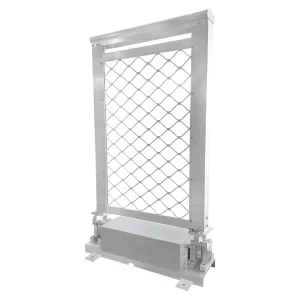
Our electric safety net systems feature heavy-duty actuators that raise or lower the perimeter panels. This setup is useful when clear flight zones are required, during crane operations on marine vessels, or when maintenance access is needed on rooftop helipads.
Our systems are designed to exceed CAP 437 dynamic fall testing standards. They can safely absorb the kinetic impact of a 100 kg mass dropped from a height of 1 meter (an impact energy of 1225 Joules) without structural failure.
View our range of custom round platforms, specialized structural profiles, and safety mesh products.
 LvXing