Precision extruded structural aluminum assemblies designed to resist high wind loads and harsh weather environments.
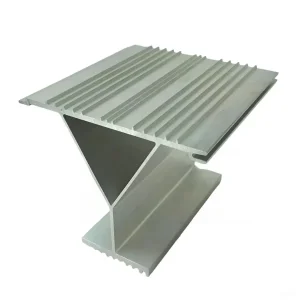
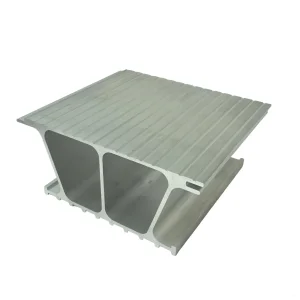
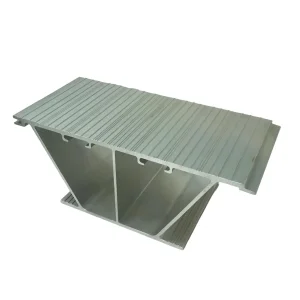
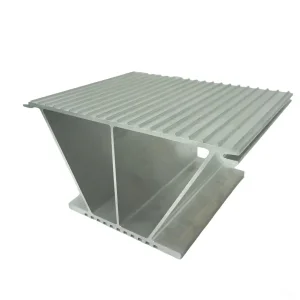
Historically, concrete and structural steel were the primary materials for helipad construction in the United States. However, civil engineers and structural architects have experienced a paradigm shift towards extruded aluminum alloy deck systems.
Aluminum helipad profiles offer a superior strength-to-weight ratio, which reduces dead weight load on rooftop structural columns. In high-rise buildings across metropolitan areas like New York, Los Angeles, and Chicago, minimizing structural loads allows architects to design safety features without costly building reinforcement.
Furthermore, pre-engineered interlocking aluminum profiles drastically shorten onsite installation times. Our systems feature integrated channels for drainage, LED aviation landing lights, fire-fighting nozzles (DIFFS), and electrical heating elements to prevent ice accumulation.
Why engineering firms specify 6000-series structural aluminum alloys over steel structures.
Reduces rooftop structural load by up to 60% compared to concrete or steel, minimizing structural beam requirements.
Alloy chemistry provides exceptional resistance to saline mist, making it suitable for marine vessels and coastal offshore oil platforms.
Engineered snap-fit and tongue-and-groove connections optimize structural shear load transfer across adjacent deck planks.
Meeting the rigorous standards of FAA AC 150/5390-2C Heliport Design Advisory and offshore CAP 437 regulations.
Heliports in the United States must comply with the Federal Aviation Administration (FAA) guidelines. Our aluminum profiles are engineered to meet dynamic impact loads generated by large civil and military helicopters, such as the Sikorsky S-92 or Boeing CH-47 Chinook.
Under US Coast Guard and Bureau of Safety and Environmental Enforcement (BSEE) jurisdiction, helidecks on oil rigs and floating storage vessels must withstand hurricane-force winds and salty marine environments. Our 6000-series structural aluminum decks resist severe pitting and degradation.
The rise of Urban Air Mobility (UAM) and eVTOL (electric Vertical Takeoff and Landing) aircraft requires the development of dedicated vertiports. Interlocking, heavy-load aluminum profiles are ideal for rooftop vertiport infrastructure, providing built-in thermal management and electrical grounding paths.
Architectural design of structural aluminum decks requires rigorous finite element analysis (FEA) modeling to simulate maximum dynamic landing loads. Design considerations include:
High yield strength, excellent weldability, and corrosion resistance to meet military and commercial aviation requirements.
Leveraging premium raw materials and high-capacity extrusion lines to supply robust structural assemblies.
LVXING, SPECIALIZES IN ALUMINUM SOLUTIONS.
Established in 2015 and located in Foshan City, Guangdong, LvXing Intelligent Equipment Co., Ltd. boasts a skilled R&D team with extensive experience. We leverage exceptional technical expertise to effectively transform customers' ideas into reality, consistently meeting their precise requirements.
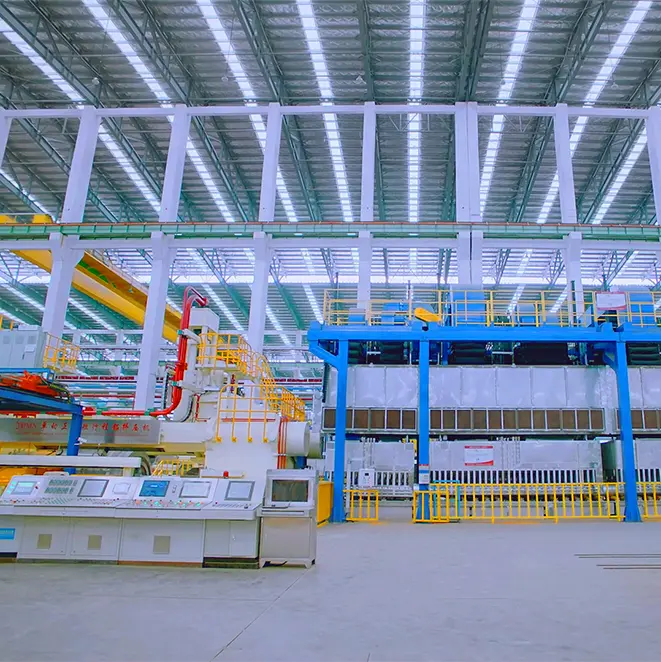
We utilize premium Fenglu aluminum, offering a diverse range of profiles for flexible applications. Our extrusion lines, ranging from 800T to 20,000T, accommodate alloys 1xxx, 2xxx, 3xxx, 5xxx, 6xxx, and 7xxx, allowing us to produce shaped products with section dimensions up to 1.2 meters in width and 28 meters in length. These products are recognized for their precision and meticulous processing, finding broad application in aerospace, military, medical, and industrial sectors.
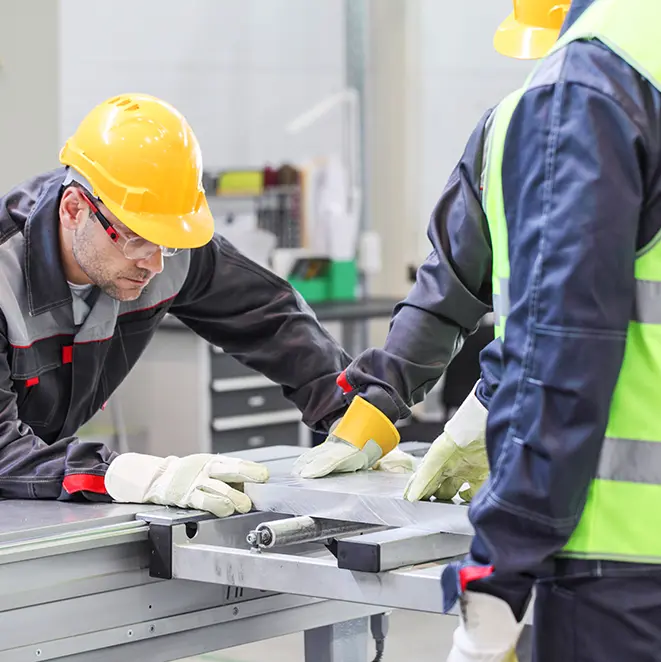
Our commitment to excellence is evident throughout the manufacturing process, rigorous quality control, thorough packaging, and efficient shipping procedures. This dedication has earned us recognition as a national excellent and honest enterprise, along with quality system certification in accordance with GB/T19001-2016/ISO9001:2015 standards.
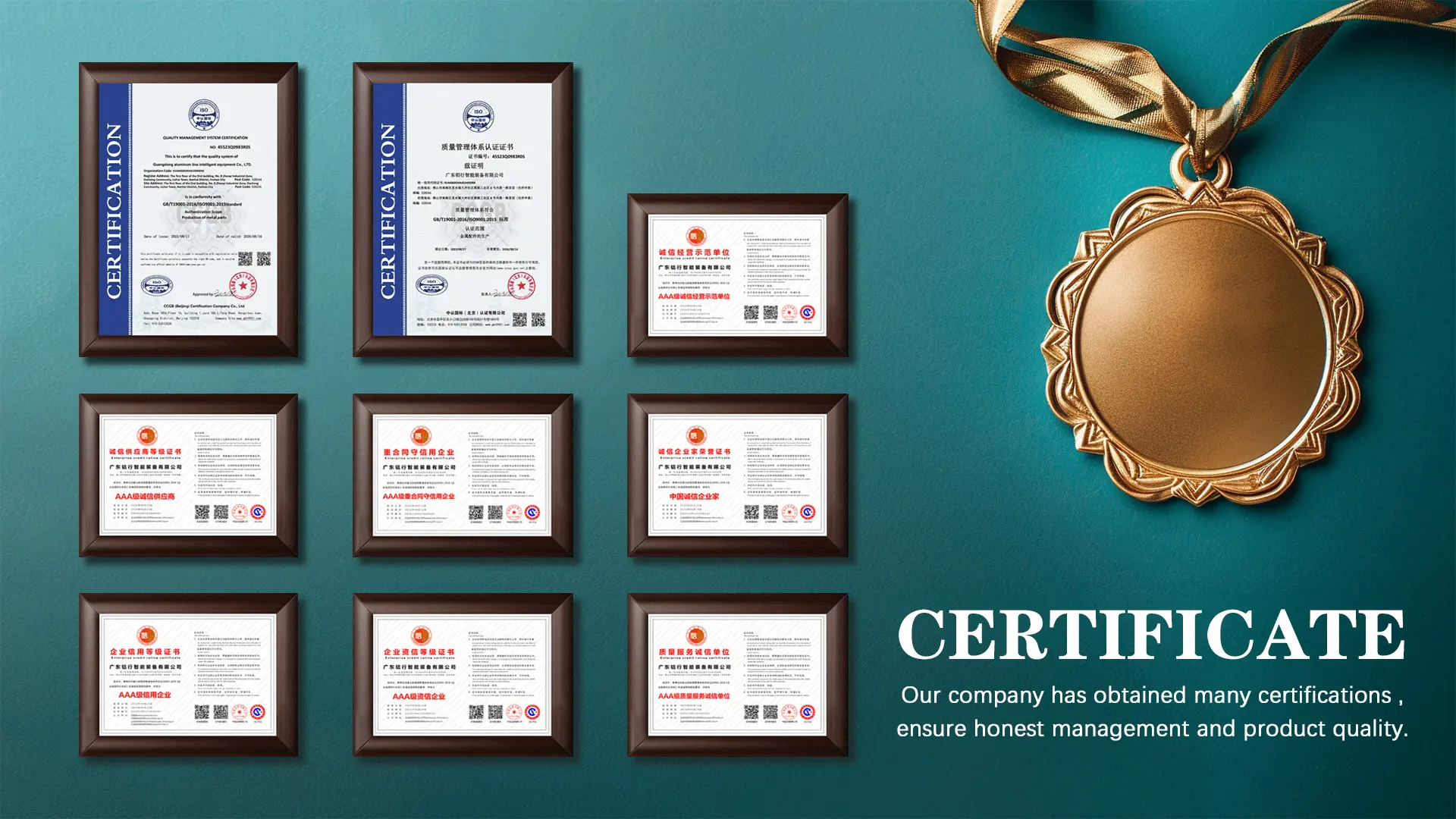

We have obtained the “Special Aluminium Materials for Aerospace” Certificate, ensuring compliance with strict metallurgical requirements.

With extrusion lines ranging from 800T to 20,000T, we manufacture shaped products up to 1.2m in width and 28m in length.
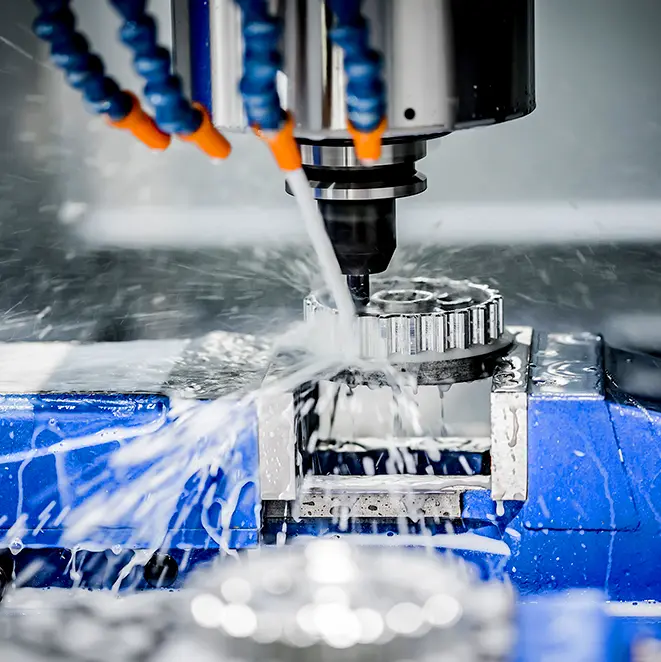

Our team leverages 15 years of technical expertise to solve potential engineering challenges, turning concepts into reliable products.
Max Extrusion Capacity
Maximum Profile Section Width
Maximum Single-Piece Length
Engineering & Metallurgy Experience
Delivering high-performance structural systems across diverse operating environments.
Critical Care Level-1 Trauma Centers in the United States require continuous medical evacuation capability. Rooftop helipads must transfer dynamic loads safely through to the primary structural columns of the building. Our interlocking aluminum profiles distribute point loads across a wider surface area, minimizing localized stress on hospital structures.
Operating in the Gulf of Mexico demands extreme durability. Marine-grade 6082-T6 and 6061-T6 aluminum alloys resist corrosion from salt spray and humidity. Our structural planks feature integrated drainage paths to safely divert water, heavy rain, and aviation fuel away from the platform deck.
City-center municipal police and rescue department buildings benefit from the fast deployment of modular aluminum helidecks. These systems are lightweight and require minimal structural changes to existing rooftops, facilitating swift project approvals and shortened construction timelines.
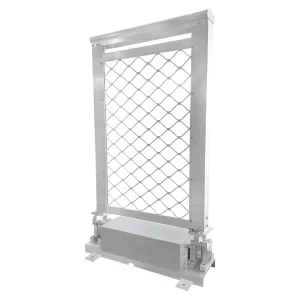
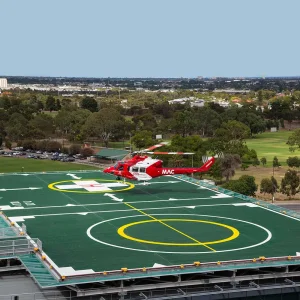
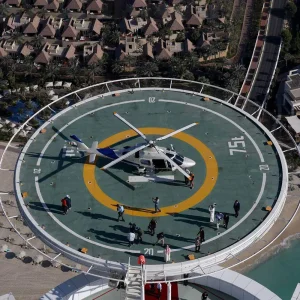
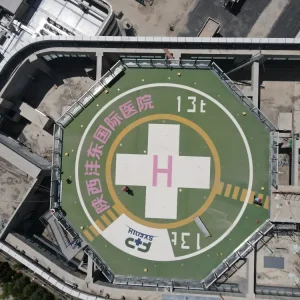
Explore our full range of FAA-compliant structural aluminum decks, perimeter meshes, and specialized accessories.
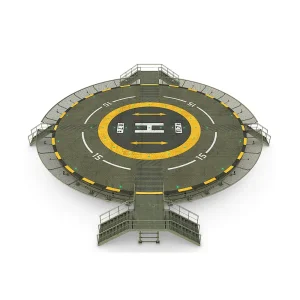
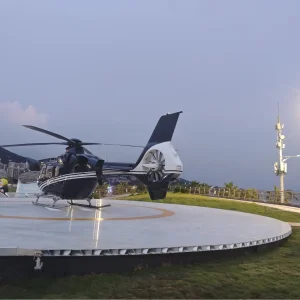
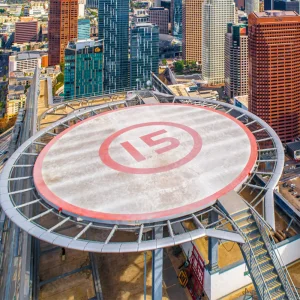
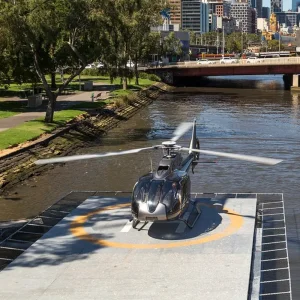
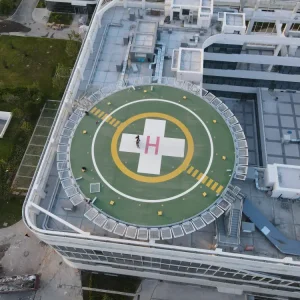
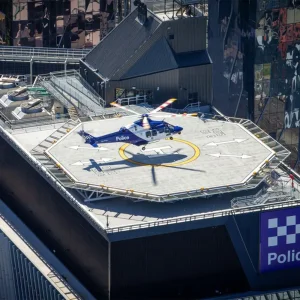
Developing lightweight, resilient solutions to support next-generation vertical takeoff infrastructure.
At LVXING, we recognize the industry's shift toward low-carbon footprint infrastructure. Our engineering team focuses on utilizing recycled aluminum alloys that maintain structural integrity while lowering carbon emissions compared to virgin smelting.
Aluminum is infinitely recyclable. At the end of a helipad's lifecycle, the modular deck profiles can be decommissioned, melted down, and re-extruded without physical properties loss, contributing to circular building design practices.
The incorporation of structural health monitoring (SHM) represents a key advancement in helideck technology. Future helipads can feature built-in strain gauges and fiber optic sensors within the extruded aluminum channels.
These sensors provide real-time landing impact data, structural wear monitoring, and automated safety warnings directly to aviation operations managers.
The commercialization of eVTOL aircraft changes localized landing point load concentrations. Because eVTOL landing gear configurations vary significantly between multi-rotor models, the structural aluminum surface must distribute load profiles evenly.
"EVTOL landing pads require complex dynamic load calculations because multi-rotor craft generate high wind shear and localized point impacts upon landing."
We design custom aluminum extrusions with reinforced internal ribbing, ensuring our decks support these new vehicle classes without adding excess weight.
Expert answers addressing materials, safety standards, and project customization.
Connect with our technical design team in Foshan City. We provide custom cross-sectional design, engineering analysis, and high-load capacity certifications for commercial projects worldwide.
 LvXing