Engineered to meet European safety parameters, certified for hospital rooftops, commercial hubs, and complex industrial structures.
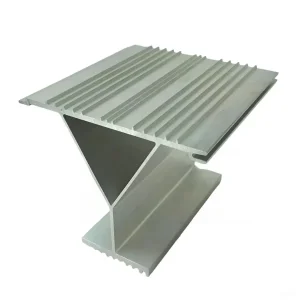
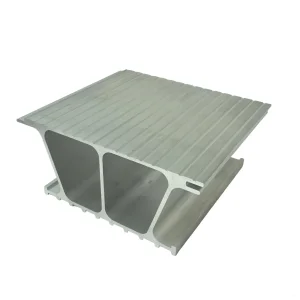
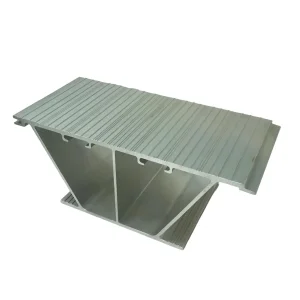
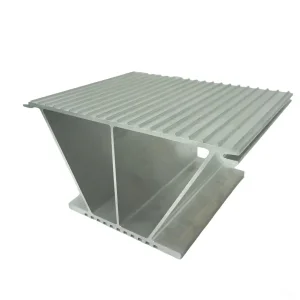
As Italy's financial engine and a central logistics hub of Southern Europe, metropolitan Milan is experiencing unprecedented growth in high-rise building developments and modernized medical facilities. From the architectural innovations of Porta Nuova and CityLife to critical healthcare centers like Niguarda Hospital, the integration of state-of-the-art rooftop helipads is essential. Constructing landing platforms in dense urban settings demands materials that minimize structural load while ensuring absolute stability and mechanical integrity.
Lvxing’s structural aluminum profiles provide a highly engineered alternative to traditional concrete helipads. By leveraging lightweight, marine-grade aluminum alloy profiles, civil designers and architectural firms across Lombardy can significantly reduce the dead weight of elevated landing zones, maintaining strict alignment with Italian civil aviation requirements (ENAC) and European structural directives (Eurocode 9).
LVXING SPECIALIZES IN PREMIUM ALUMINUM SOLUTIONS. Established in 2015 and located in Foshan City, Guangdong, LvXing Intelligent Equipment Co., Ltd. boasts a highly skilled R&D team with extensive experience. We leverage exceptional technical expertise to effectively transform our customers' structural ideas into reality, consistently meeting their precise mechanical and engineering requirements.
We utilize premium Fenglu aluminum, offering a diverse range of profiles for flexible applications. Our advanced extrusion lines, ranging from 800T to 20,000T, accommodate high-strength alloys across the 1xxx, 2xxx, 3xxx, 5xxx, 6xxx, and 7xxx series, allowing us to produce intricately shaped products with section dimensions up to 1.2 meters in width and 28 meters in length. These profiles are globally recognized for their structural precision and meticulous post-processing, finding broad application in aerospace, military, medical, and specialized industrial sectors.
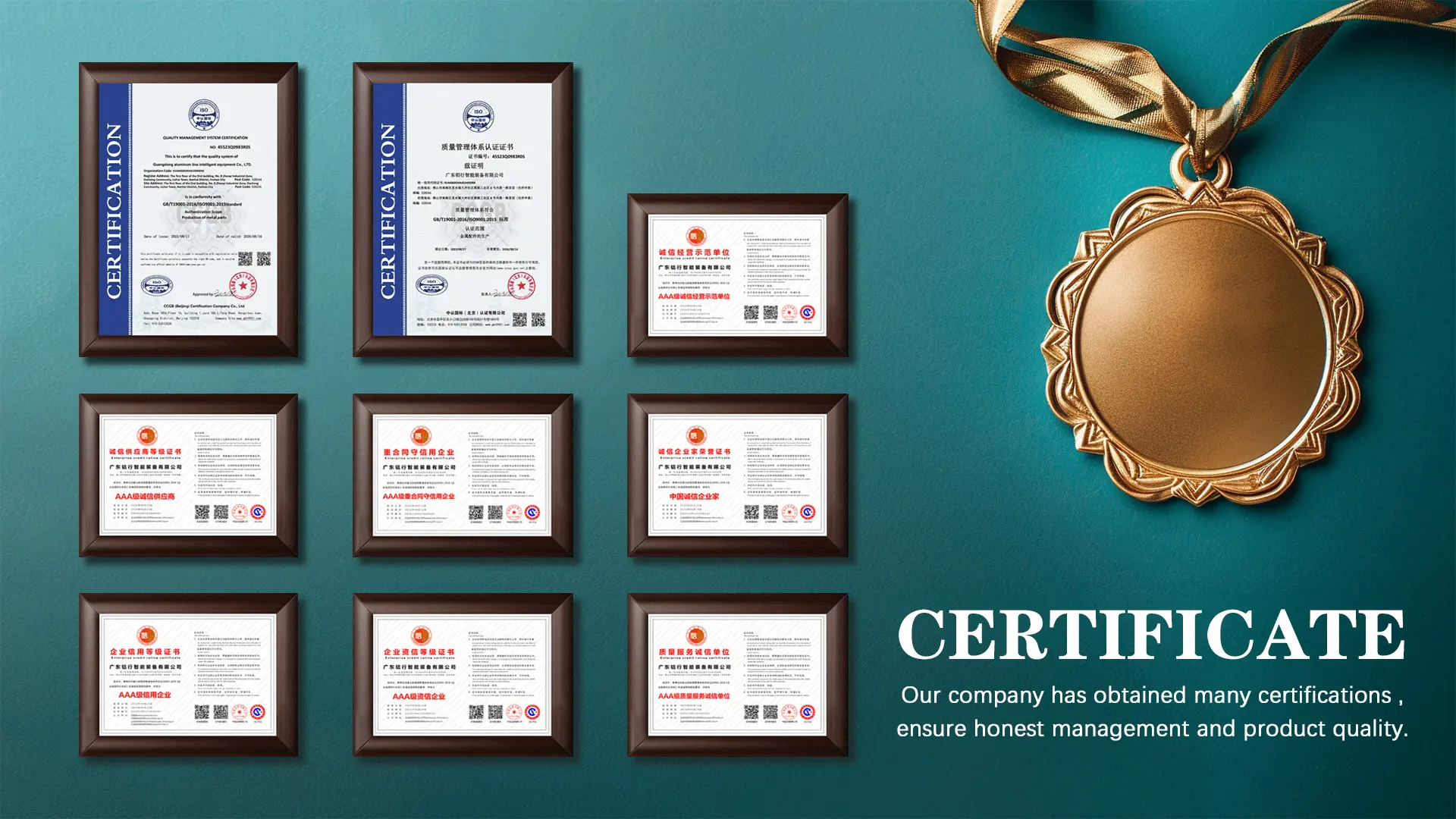
Our commitment to manufacturing excellence is evident throughout the production cycle: from rigorous mechanical testing and quality control to thorough packaging and global shipping procedures. This dedication has earned us national recognition as a highly trusted, honest enterprise, alongside quality system certification in accordance with GB/T19001-2016/ISO9001:2015 standards.
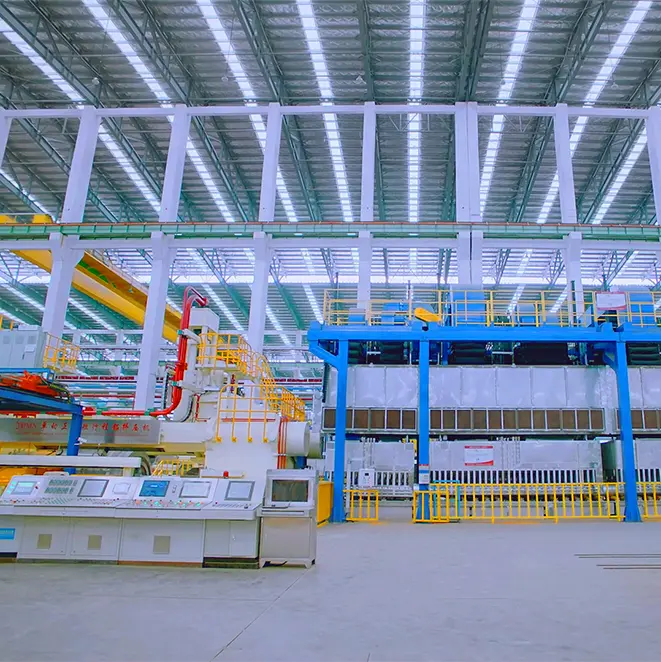
Why structural engineers and contractors in Milan choose Lvxing for premium helipad installations.

We have successfully obtained the prestigious "Special Aluminium Materials for Aerospace" Certificate, verifying our capability to manufacture profiles that meet high-altitude structural and stress tolerances.

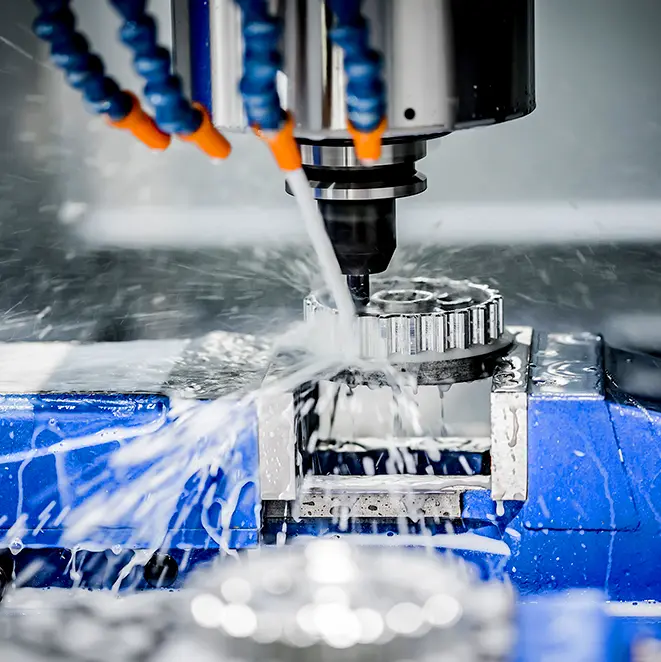
We utilize high-quality Fenglu aluminum profiles. With extrusion lines ranging from 800T to 20,000T, we produce alloys in the 1xxx, 2xxx, 3xxx, 5xxx, 6xxx, and 7xxx series up to 28 meters in length.

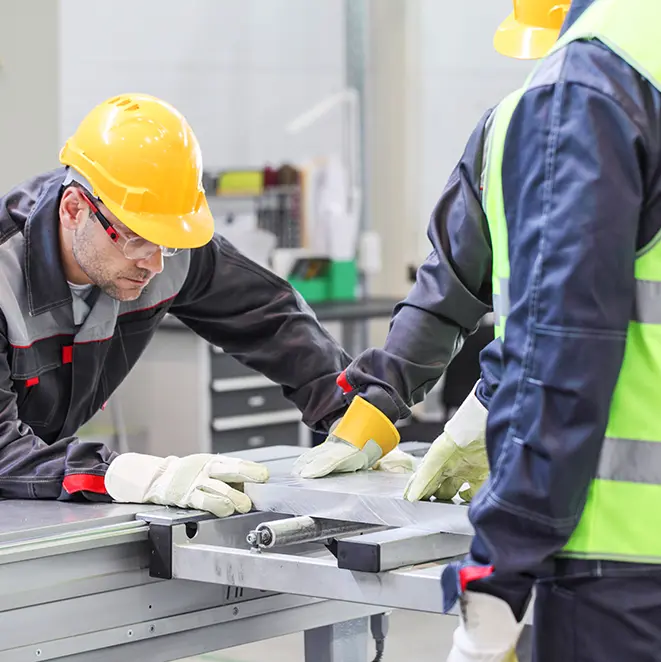
Our engineering team has 15 years of invaluable industry experience. Our deep understanding of structural designs allows us to optimize load points and provide practical, turn-key solutions.
Expert Design & Consultation
For decades, concrete and structural steel were the primary materials used to build landing decks. However, modern architectural demands in metropolitan Milan call for smarter, lighter materials. Elevated platforms on top of historic facades, commercial glass towers, or high-activity emergency centers must limit structural deflection and structural load.
| Performance Metrics | Lvxing Modular Aluminum Profiles | Structural Steel Helidecks | Reinforced Concrete Decks | |
|---|---|---|---|---|
| Structural Dead Weight | Extremely Light (~65-70% lighter than steel) | Moderate to Heavy | Extremely Heavy (Demands massive columns) | |
| Corrosion Resistance | Outstanding (Anodized 6005A/6082-T6) | Needs periodic recoating and rust control | Susceptible to water ingress and cracking | - |
| Installation Time | Very Fast (Modular interlocking connection) | Moderate (Requires extensive onsite welding) | Slow (Requires wet pouring and curing) | |
| Maintenance & Lifespan | Minimal maintenance; lasts over 30 years | High maintenance costs over lifetime | Prone to surface wear and structural degradation | |
| Recyclability Value | High residual scrap value (~95% recyclable) | Moderate value | No scrap value; incurs high demolition costs |
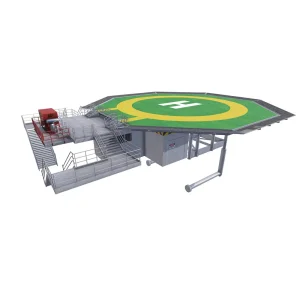
Using premium 6000-series (typically 6082-T6 or 6061-T6) structural alloys, our extruded plank profiles form a durable, self-supporting grid. This grid distributes dynamic landing impact forces evenly across the support framing, minimizing concentrated stress points on the primary building structure.
Any helideck installed in the Milan area must comply with rigorous civil aviation regulations. The Ente Nazionale per l'Aviazione Civile (ENAC) and the European Union Aviation Safety Agency (EASA) outline stringent guidelines for elevated structural landing grids.
Our custom profiles are optimized to integrate standard landing features, including drainage channels for aviation fuel runoffs, recessed landing light housing, perimeter safety nets, and non-skid textured surfaces. These details ensure that rain, frost, or fuel spills do not compromise helideck safety.
Essential insights for developers, structural engineers, and main contractors specifying landing deck systems.
Generally, we specify structural magnesium-silicon aluminum alloys like 6082-T6 and 6061-T6. 6082-T6 is widely preferred in Europe due to its high tensile strength and superior corrosion resistance, making it suitable for Northern Italy's humid sub-tropical climate. These alloys provide yield strengths comparable to mild carbon steel while maintaining a low weight profile.
Lombardy, including Milan, has specific seismic zoning design requirements under NTC 2018. Because aluminum helipads are light, they generate significantly lower inertial forces during a seismic event compared to heavy concrete. Our engineering team conducts Finite Element Analysis (FEA) to confirm that our extruded profiles and support frameworks can withstand local lateral seismic accelerations.
Yes. We supply extruded profiles designed with custom serrated surface textures that provide slip resistance. We can also integrate active heating elements or thermal trace routing directly inside the hollow profile chambers, preventing ice buildup during freezing winter temperatures.
Absolutely. Backed by our extrusion press capabilities ranging from 800T to 20,000T, we can extrude profile sections up to 1.2 meters wide. This allows us to produce custom wide-plank profiles that reduce the number of connection joints, creating a stronger and more rigid surface.
Our modular profiles utilize a tongue-and-groove interlocking mechanism. Panels are pre-cut and drilled at the factory according to structural drawings, then shipped directly to Milan. Contractors can lock the profiles together onsite with structural bolts, eliminating the need for complex, time-consuming welding procedures.
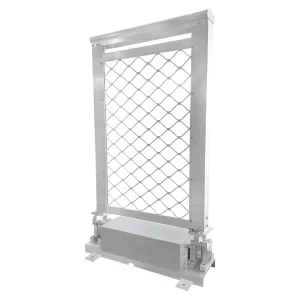
Yes. All safety mesh components, perimeter support structures, and electrical helideck safety nets we supply carry full CE Certification. This ensures alignment with European safety regulations for civil and commercial rooftop infrastructure.
Thanks to the self-passivating nature of marine-grade aluminum, our profiles do not rust or require frequent painting. When properly maintained, Lvxing aluminum helipads offer a service life exceeding 30 years, lowering lifetime maintenance costs.
After you submit an inquiry detailing your landing deck dimensions, design aircraft type, and support frame layout, our team will provide a comprehensive engineering assessment and initial quote. We work closely with local design firms to ensure all calculations meet structural safety requirements.
Explore our range of safety meshes, complete all-aluminum platforms, and structural profiles designed for diverse installation setups.
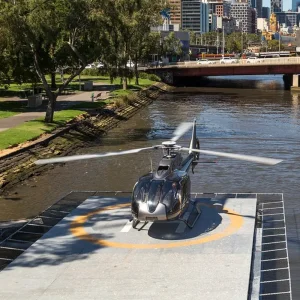
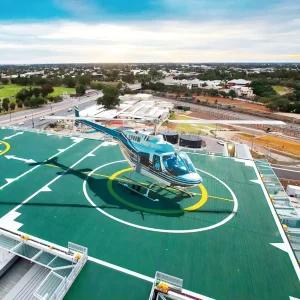
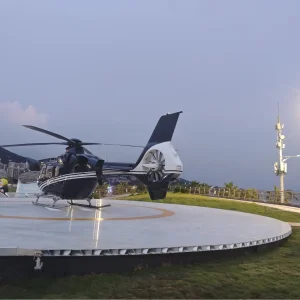
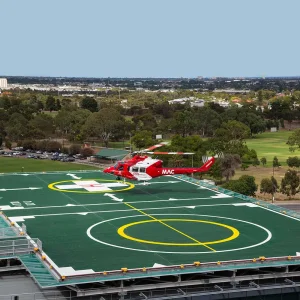
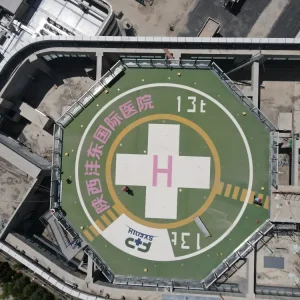
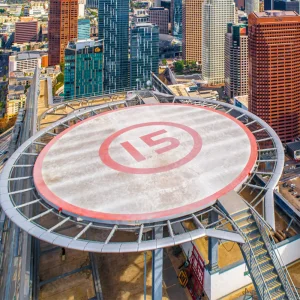
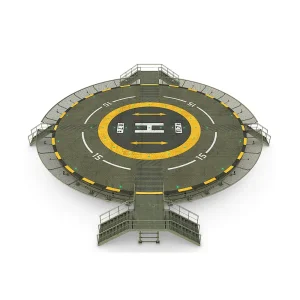
The aviation landscape is shifting toward electric propulsion and Urban Air Mobility (UAM). With Milan planning future UAM pathways to link central districts with Malpensa and Linate airports, landing structures must support a new class of Electric Vertical Takeoff and Landing (eVTOL) aircraft.
Lvxing is engineering structural profiles for this transition. Our research focuses on integrating high-frequency charging grids, electromagnetic insulation systems, and dynamic monitoring sensors directly into the aluminum extrusion layers. By choosing Lvxing, you install a landing platform designed to meet both current helipad regulations and the operational requirements of tomorrow's electric aviation network.
 LvXing