Engineered structural extrusion systems designed to withstand alpine winds, maritime corrosion, and heavy dynamic helicopter loads.
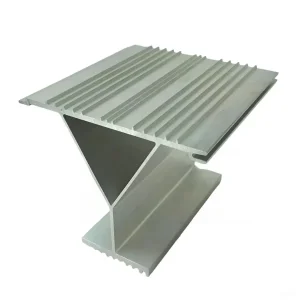
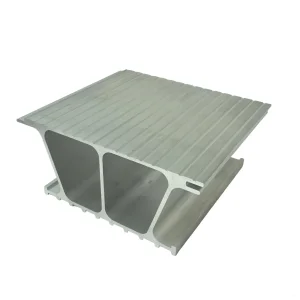
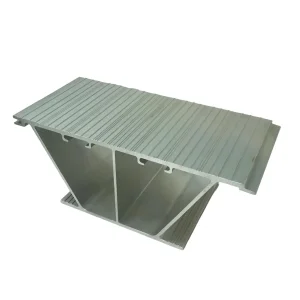
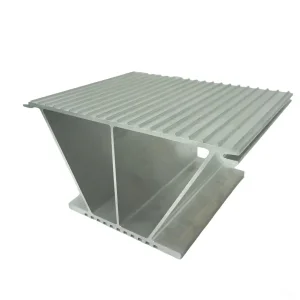
The civil aviation sector in Italy—governed by the stringent policies of the Italian Civil Aviation Authority (ENAC) and aligned with the European Union Aviation Safety Agency (EASA)—demands the highest structural integrity from helicopter landing infrastructures. As urban centers become denser and geographic access challenges persist across the Alps and Apennines, traditional concrete and steel landing pads are rapidly being replaced by modular, high-strength aluminum profile systems. Aluminum's high strength-to-weight ratio, structural elasticity, and natural resistance to corrosion make it the premium choice for yacht helidecks, hospital rooftops, alpine emergency platforms, and offshore energy structures.
Historically, structural concrete dominated civil architecture. However, in the context of helipad engineering—particularly elevated hospital landing pads and luxury vessel installations—structural dead load is a critical engineering constraint. An engineered aluminum deck profile weighs approximately 60% less than a steel equivalent with identical structural capabilities, allowing architects in Italy to minimize additional structural reinforcements on existing buildings and ship decks. The thermal conductivity of aluminum also ensures faster de-icing in the northern mountainous regions of Lombardy and Piedmont, reducing maintenance overheads significantly.
Global procurement directors require absolute supply chain reliability. For structural helipad builds, this translates to testing traceability, material mill certifications (including structural alloy reports for 6082-T6 and 6061-T6), and compliance with structural standards like Eurocode 9 (Design of Aluminum Structures). Large contractors in Rome, Milan, and Genoa require factory testing profiles to withstand the point load of heavy civil helicopters, such as the AgustaWestland AW139 and AW101, which are extensively used in Italian public transport and search and rescue missions.
LVXING, SPECIALIZES IN ALUMINUM SOLUTIONS.
Established in 2015 and located in Foshan City, Guangdong, LvXing Intelligent Equipment Co., Ltd. boasts a skilled R&D team with extensive experience. We leverage exceptional technical expertise to effectively transform customers' ideas into reality, consistently meeting their precise requirements.
We utilize premium Fenglu aluminum, offering a diverse range of profiles for flexible applications. Our extrusion lines, ranging from 800T to 20,000T, accommodate alloys 1xxx, 2xxx, 3xxx, 5xxx, 6xxx, and 7xxx, allowing us to produce shaped products with section dimensions up to 1.2 meters in width and 28 meters in length. These products are recognized for their precision and meticulous processing, finding broad application in aerospace, military, medical, and industrial sectors.
Our commitment to excellence is evident throughout the manufacturing process, rigorous quality control, thorough packaging, and efficient shipping procedures. This dedication has earned us recognition as a national excellent and honest enterprise, along with quality system certification in accordance with GB/T19001-2016/ISO9001:2015 standards.
We have obtained the "Special Aluminium Materials for Aerospace" Certificate, verifying our quality control system meets defense and aerospace safety levels.
Utilizing high-quality Fenglu aluminum, our 800T to 20,000T extrusion lines support profiles up to 1.2 meters in width and 28 meters in length in 6xxx and 7xxx series alloys.
Our technical team leverages 15 years of industry experience, ensuring custom client CAD concepts are meticulously analyzed for load-bearing and assembly compatibility.
Manufacturing critical structural components like aluminum helipads requires a mature industrial ecosystem. Lvxing’s production facility in Foshan City relies on advanced CNC machining, precision multi-axis milling, and digital temperature control during the extrusion process. This level of technological integration represents the pinnacle of Chinese Industry 4.0 manufacturing. By optimizing raw material sourcing (utilizing market-leading Fenglu billets) and deploying automated extrusion lines (up to 20,000T), we minimize material wastage and energy consumption, passing these savings directly to our buyers in the Italian market.
For European procurement teams, Lvxing guarantees reliability through strict compliance and testing. Every batch of helipad profiles undergoes dimensional tolerance verification, tensile strength testing, and surface finish thickness checks. Our logistics system is integrated with international freight channels, delivering structural profiles seamlessly from our factory to major ports such as Genoa, Naples, Trieste, and Venice, packaged to withstand maritime humidity and physical handling.
How our high-strength profiles are adapted to specific industrial and geographic needs across Italy.
Designed for alpine search and rescue bases in Trentino-Alto Adige and Piedmont. Our profiles offer rapid de-icing properties, high structural wind resistance, and easy modular assembly in remote mountain elevations.
Working alongside leading shipbuilders in Liguria and Tuscany, Lvxing provides marine-grade 6000-series alloy extrusions that resist salt spray corrosion and dynamic wave forces during offshore operations.
Ideal for emergency medical upgrades on existing metropolitan medical centers in Rome and Milan. The lightweight nature of aluminum minimizes the load added to older building structures.
Providing reliable landing pads for maritime oil extraction rigs in the Adriatic Sea. Engineered to match CAP 437 guidelines, complete with safety netting and integrated drainage paths for safety.
Compare alloy properties and profile structures for your helipad installation.
| Alloy Specification | Tensile Strength (MPa) | Yield Strength (MPa) | Corrosion Resistance | Recommended Application |
|---|---|---|---|---|
| 6082-T6 | ≥ 310 | ≥ 260 | High (Marine Grade) | Primary structural support beams & high stress joints |
| 6061-T6 | ≥ 290 | ≥ 240 | Excellent | Deck plates, landing surface panels & safety framing |
| 6005A-T6 | ≥ 270 | ≥ 225 | Very High | Intricately shaped structural hollow profiles |
| 7075-T6 | ≥ 540 | ≥ 480 | Moderate (Coated) | High-impact military helipads & specialist aerospace components |
Answers to engineering, pricing, and importing questions for the Italian market.
Select from our certified deck components, safety nets, and architectural structural configurations.
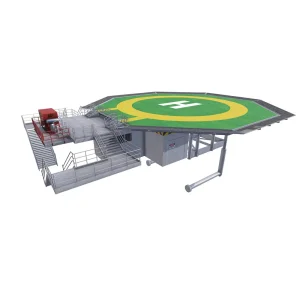
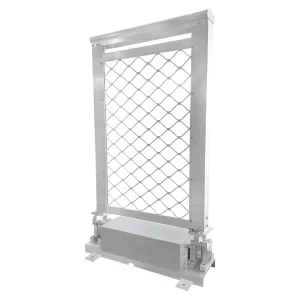
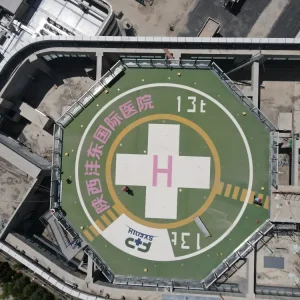
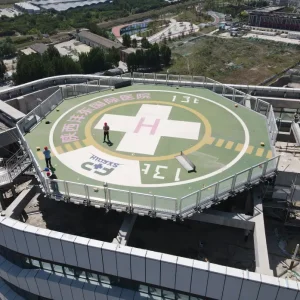
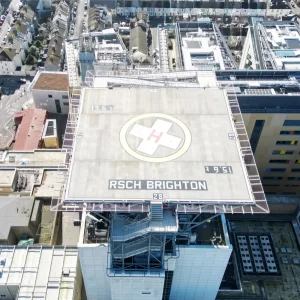
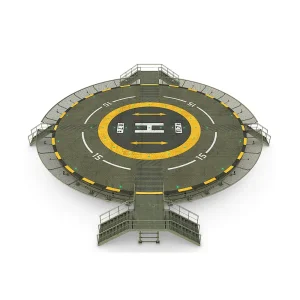
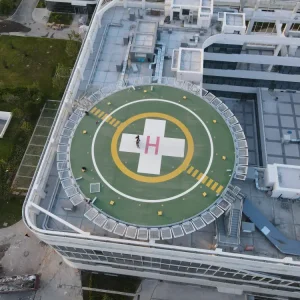
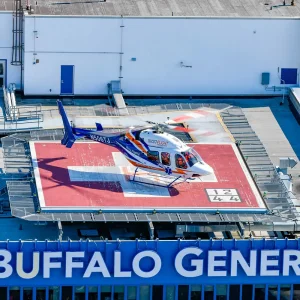
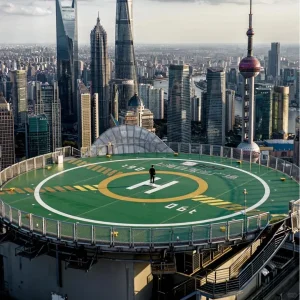
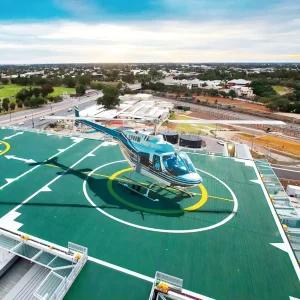
Lvxing provides complete structural design, material extrusion, precision CNC fabrication, and global logistics options for civil, medical, and marine applications in Italy.
Send Inquiry Now LvXing