Highly specialized aluminum alloy extrusions engineered for high seismic load tolerance and structural lightweighting requirements in the Aichi industrial zone.
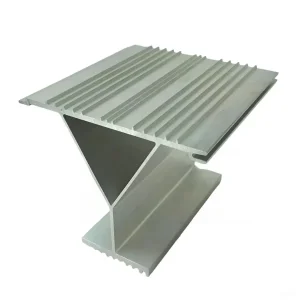
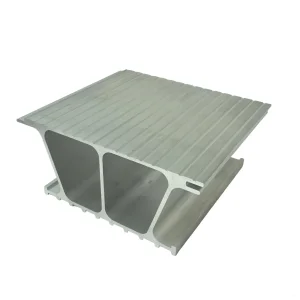
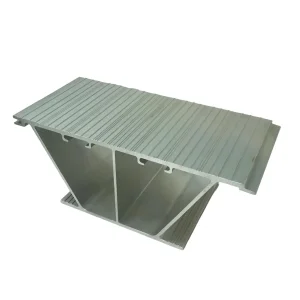
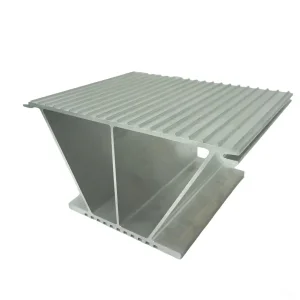
The Nagoya metropolitan area, the heartbeat of Japan's aerospace and automotive industries, demands infrastructure built to the most demanding tolerance metrics. The Aichi prefecture hosts global conglomerates where precision aerospace manufacturing is the norm. Therefore, landing deck surfaces—whether rooftop medical emergency pads, maritime vessel helidecks, or search-and-rescue helicopter landing sites—must integrate high-grade structural alloys.
Aluminum extrusions are replacing traditional steel and concrete in the Nagoya market due to strict seismic engineering limits set by the Japan Civil Aviation Bureau (JCAB). In earthquake-prone areas, retrofitting skyscrapers with helipads requires minimum added dead-weight. Structural modular aluminum decks provide up to 70% weight reduction compared to reinforced concrete, minimizing lateral shear stress during seismic events while maintaining heavy-duty landing capacities for dynamic load profiles up to 15 metric tons.
Engineered for extreme structural loads, offering superior yield strength and resistance to marine salinity and industrial atmospheres.
Using premium Fenglu aluminum, we produce high-performance structural systems across all major structural tempers: 6005A-T6, 6082-T6, 6061-T6, and aerospace-targeted 7xxx series alloys. We provide single-extrusion modular sections measuring up to 1.2 meters wide. This limits joint counts on the helipad deck, reducing structural weakness and ensuring a flat surface capable of handling high dynamic shear forces during helicopter landings.
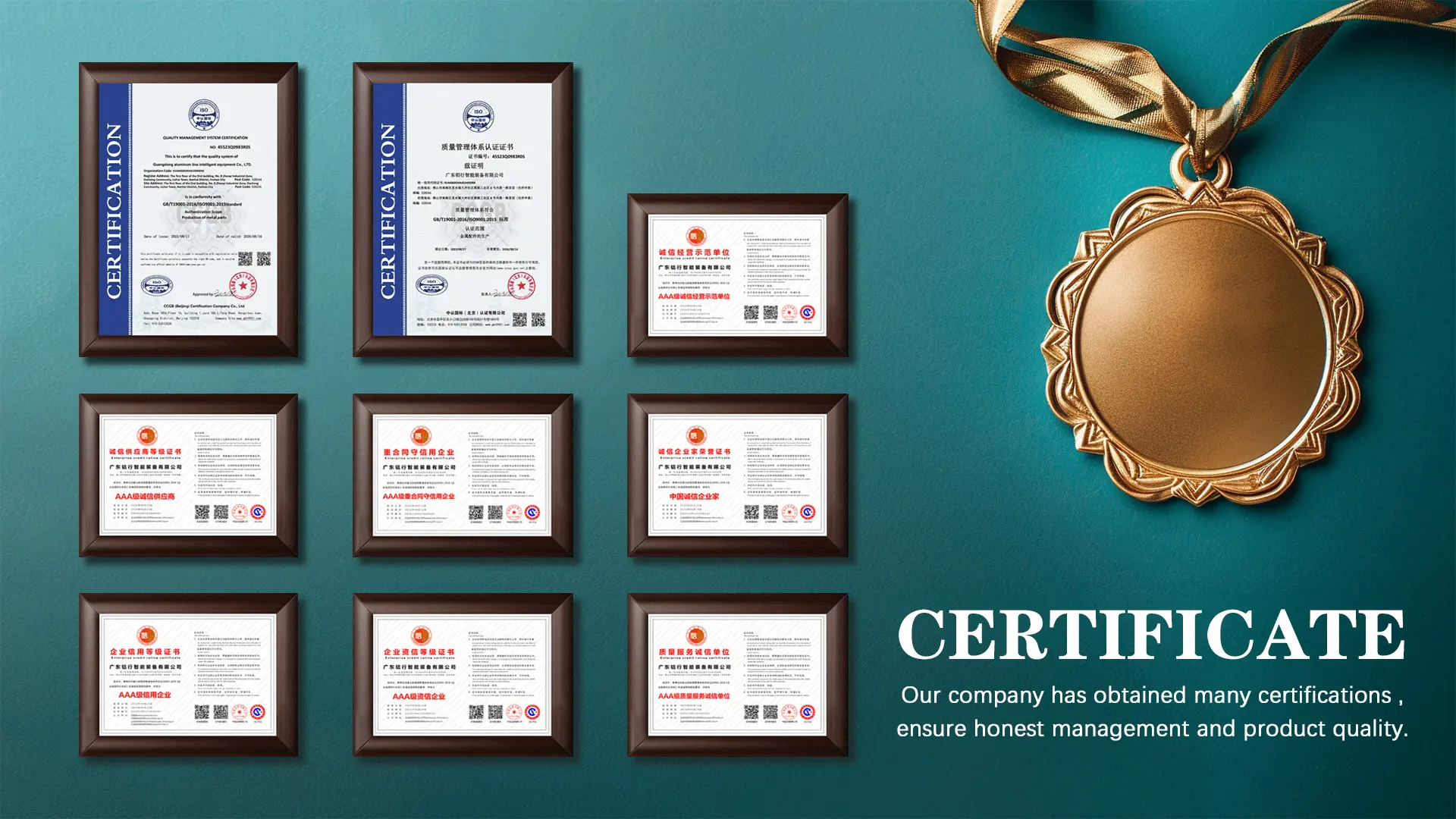
Our ISO9001:2015 and GB/T19001-2016 certifications ensure every extrusion batch goes through strict quality gates: ultrasonic weld inspections, spectral chemical analysis, tensile testing, and anodizing layer measurements. For marine and offshore helidecks, profiles undergo specialized salt spray testing to guarantee a corrosion lifespan exceeding 25 years without major structural degradation.
Established in 2015 and located in Foshan City, Guangdong, LvXing Intelligent Equipment Co., Ltd. boasts a skilled R&D team with extensive experience. We leverage exceptional technical expertise to effectively transform customers' ideas into reality, consistently meeting their precise requirements.
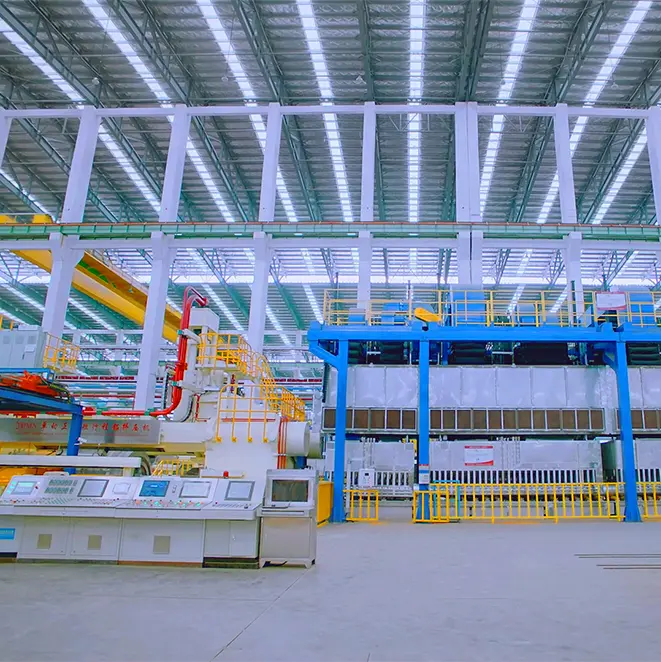
We utilize premium Fenglu aluminum, offering a diverse range of profiles for flexible applications. Our extrusion lines, ranging from 800T to 20,000T, accommodate alloys 1xxx, 2xxx, 3xxx, 5xxx, 6xxx, and 7xxx, allowing us to produce shaped products with section dimensions up to 1.2 meters in width and 28 meters in length. These products are recognized for their precision and meticulous processing, finding broad application in aerospace, military, medical, and industrial sectors.
Our commitment to excellence is evident throughout the manufacturing process, rigorous quality control, thorough packaging, and efficient shipping procedures. This dedication has earned us recognition as a national excellent and honest enterprise, along with quality system certification in accordance with GB/T19001-2016/ISO9001:2015 standards.
Understanding procurement challenges for international civil engineers, defense contractors, and hospital systems.
Our profiles are designed with integrated serrations and structural grip details that prevent slip under wet, icy, or oily maritime conditions, ensuring compliance with international CAP 437 safety rules.
Engineered for minimal site labor, the locking joint system allows individual planks to lock together securely, speeding up rooftop installation on metropolitan Nagoya towers.
Features integrated hollow channels for LED perimeter landing lights, electrical cables, and built-in heating coils for automatic snow-melting systems in northern environments.
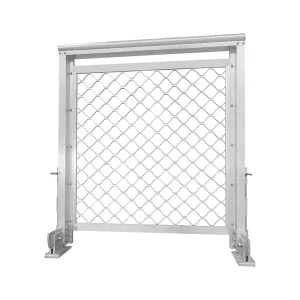
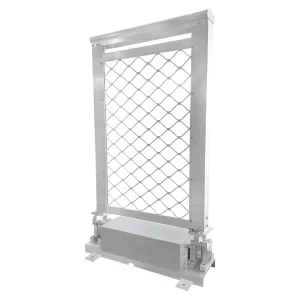
Specialized marine-grade deck components and safety net infrastructure compliant with international aviation standards.
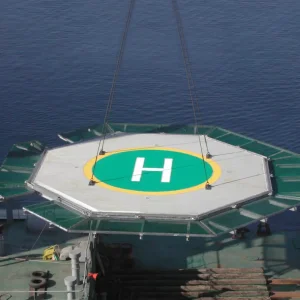
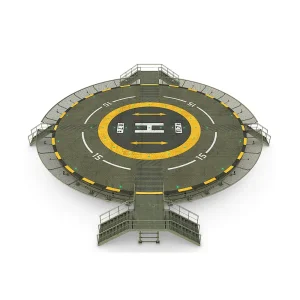
Meeting the strict building codes and aviation guidelines required in the Chubu region.
Building rooftop structures in Japan involves complying with the Building Standards Act and civil aviation guidelines. Ground movement calculations are critical for rooftop helipads. Concrete pads add significant dead load to the upper structural frame, increasing lateral forces during an earthquake. Our aluminum profile assemblies reduce structural dead loads, making it easier for engineering firms to secure building permits from regional authorities in Nagoya.
Additionally, marine offshore helidecks on vessels operating in the Port of Nagoya must meet Japan's maritime class rules and CAP 437 (Standards for Offshore Helicopter Landing Areas). This includes incorporating chemical-resistant anodizing, slip-resistant surface grooves, and compatible perimeter safety nets. Our engineering team provides complete documentation package support, including alloy test reports, load calculations, and structural finite element analysis (FEA) results.
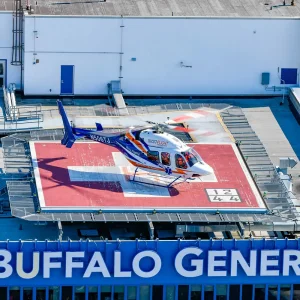
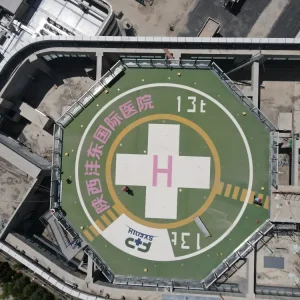
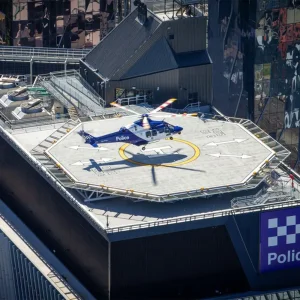
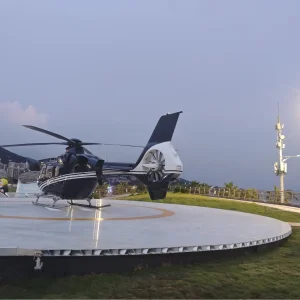
Engineered rooftop, offshore, and medical-grade emergency rescue landing deck profiles.
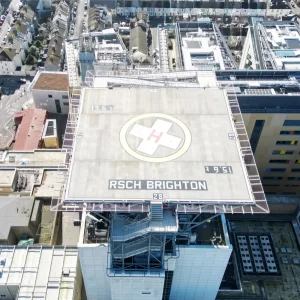
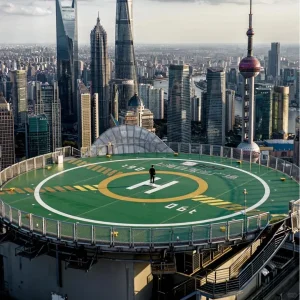
Developing sustainable, smart structural systems for next-generation aviation networks.
Industrial projects in Nagoya are prioritizing sustainable materials. Our manufacturing roadmap focuses on utilizing green billet options with over 70% post-consumer recycled aluminum, helping projects secure higher CASBEE (Comprehensive Assessment System for Built Environment Efficiency) scores in Japan.
As eVTOL (electric vertical takeoff and landing) aircraft move closer to commercial service in Aichi prefecture, landing deck structures need to support charging stations, integrated battery systems, and specialized sound-dampening profile shapes. Our R&D is currently engineering structural decks designed for these requirements.
Technical answers to key procurement and engineering questions.
Concrete structures add significant weight to buildings, which increases lateral seismic loads during earthquakes. High-strength aluminum extrusions (such as alloys 6082-T6 and 6005A-T6) reduce structural dead weight by up to 70% compared to concrete. This helps simplify retrofitting projects on existing Nagoya buildings and ensures compliance with seismic building regulations.
Our marine helideck profiles are manufactured using corrosion-resistant aluminum alloys (such as 6000-series structural grades) and receive specialized surface treatments. This includes clear or color anodizing meeting Qualanod specifications. The resulting protective oxide layer helps resist marine atmospheric corrosion and saltwater exposure in coastal regions like the Port of Nagoya.
Equipped with a 20,000T hydraulic extrusion press, we can manufacture profiles with a section width of up to 1.2 meters and continuous lengths up to 28 meters. Producing wider profiles helps reduce the number of connection joints, creating a more uniform landing deck surface.
Yes. Our custom extrusions are designed with internal hollow channels for routing cabling, LED perimeter lights, and connection points for heating elements. This makes it easier to integrate anti-icing or snow-melting systems for winter operations.
Our structural profiles feature a snap-fit tongue-and-groove interlocking design. This joint helps distribute local wheel loads across adjacent planks, reducing localized bending stress. It also allows for rapid bolt assembly, reducing on-site construction times.
Get in touch with our engineering team to receive structural profile samples, CAD details, or an alloy performance analysis tailored to your project requirements in Nagoya or internationally.
Send Inquiry Now LvXing