Engineered for cold-climate durability, coastal salt-mist resistance, and high-load dynamic performance in Sweden.
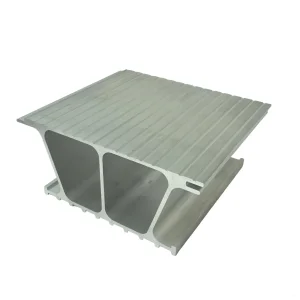
Analyzing the structural requirement for aluminum alloys under harsh sub-zero temperatures and strict aviation safety standards.
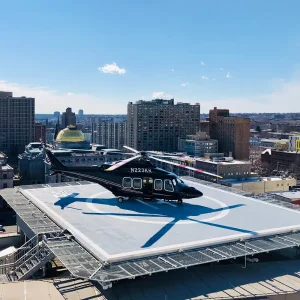
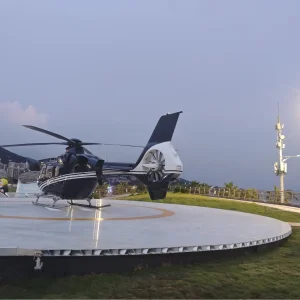
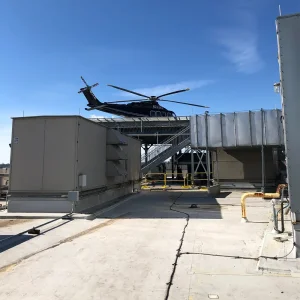
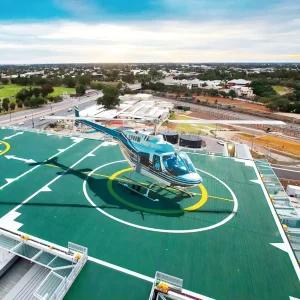
In modern structural engineering, especially within the Nordic countries, the deployment of helicopter landing platforms (helidecks and helipads) has transitioned from traditional heavy reinforced concrete or structural carbon steel to lightweight, high-strength aluminum extrusions. Sweden, with its expansive archipelagos, rugged coastline, and active maritime industrial hubs in Gothenburg, Stockholm, and Malmö, presents a unique set of challenges that mandate the use of high-grade aluminum alloys (typically the 6xxx series, including 6005A-T6, 6082-T6, and marine-grade 5xxx alloys).
Helipads operating in Sweden—whether they are rooftop municipal hospital emergency platforms, offshore wind farm substation decks in the Baltic Sea, or military maritime frigate platforms—must maintain mechanical integrity at extreme sub-arctic and maritime arctic temperatures (-30°C to -40°C). Traditional structural steel is highly prone to brittle transition at low temperatures, making it risky under the heavy dynamic shock load of landing rotorcraft like the Sikorsky S-92 or AgustaWestland AW101.
In contrast, aluminum profiles feature FCC (Face-Centered Cubic) crystalline structures, meaning they do not exhibit a ductile-to-brittle transition temperature. In fact, aluminum alloys exhibit improved yield strength, tensile strength, and impact toughness as the temperature drops. This specific physical property makes Lvxing’s aerospace-grade and heavy-industry structural extrusions the ideal engineering choice for Sweden’s demanding climate.
Sweden's strict building regulations and green building standards (such as Miljöbyggnad) strongly favor materials that offer long service lives, zero toxic emissions, and 100% circular recyclability. Modular aluminum helidecks are up to 60% lighter than concrete structures. This massive reduction in dead weight translates to smaller, more cost-effective supporting structural columns in rooftop installations on healthcare facilities, reducing both concrete volume and structural retrofitting costs. Furthermore, aluminum's native oxide layer provides exceptional passive corrosion protection against the corrosive marine environment of the North Sea and the Gulf of Bothnia, completely eliminating the need for periodic, hazardous recoating operations.
Why structural engineers and aviation design institutes in Sweden specify Lvxing Intelligent Equipment.
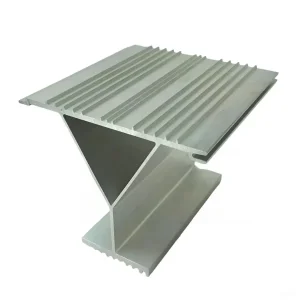
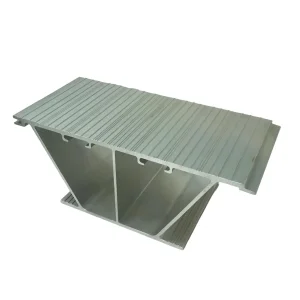
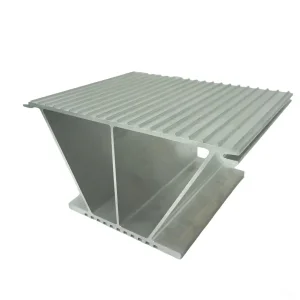
Our profiles utilize custom-designed tongue-and-groove tight interlocking mechanisms that distribute the heavy wheels/skids landing impact forces evenly across the entire surface deck, preventing localized fatigue stress.
Specially formulated drainage gutters are directly integrated into the extrusion matrix, allowing swift run-off of heavy rains and melted snow, reducing ice formation and hydroplaning risks for personnel and aircraft.
Designed with structural voids that accommodate electrical heating cables or hydronic glycol channels, providing an active surface temperature solution to ensure operational safety during cold Swedish winters.
Established in 2015 and located in Foshan City, Guangdong, LvXing Intelligent Equipment Co., Ltd. boasts a skilled R&D team with extensive experience. We leverage exceptional technical expertise to effectively transform customers' ideas into reality, consistently meeting their precise requirements.
We utilize premium Fenglu aluminum, offering a diverse range of profiles for flexible applications. Our extrusion lines, ranging from 800T to 20,000T, accommodate alloys 1xxx, 2xxx, 3xxx, 5xxx, 6xxx, and 7xxx, allowing us to produce shaped products with section dimensions up to 1.2 meters in width and 28 meters in length. These products are recognized for their precision and meticulous processing, finding broad application in aerospace, military, medical, and industrial sectors.
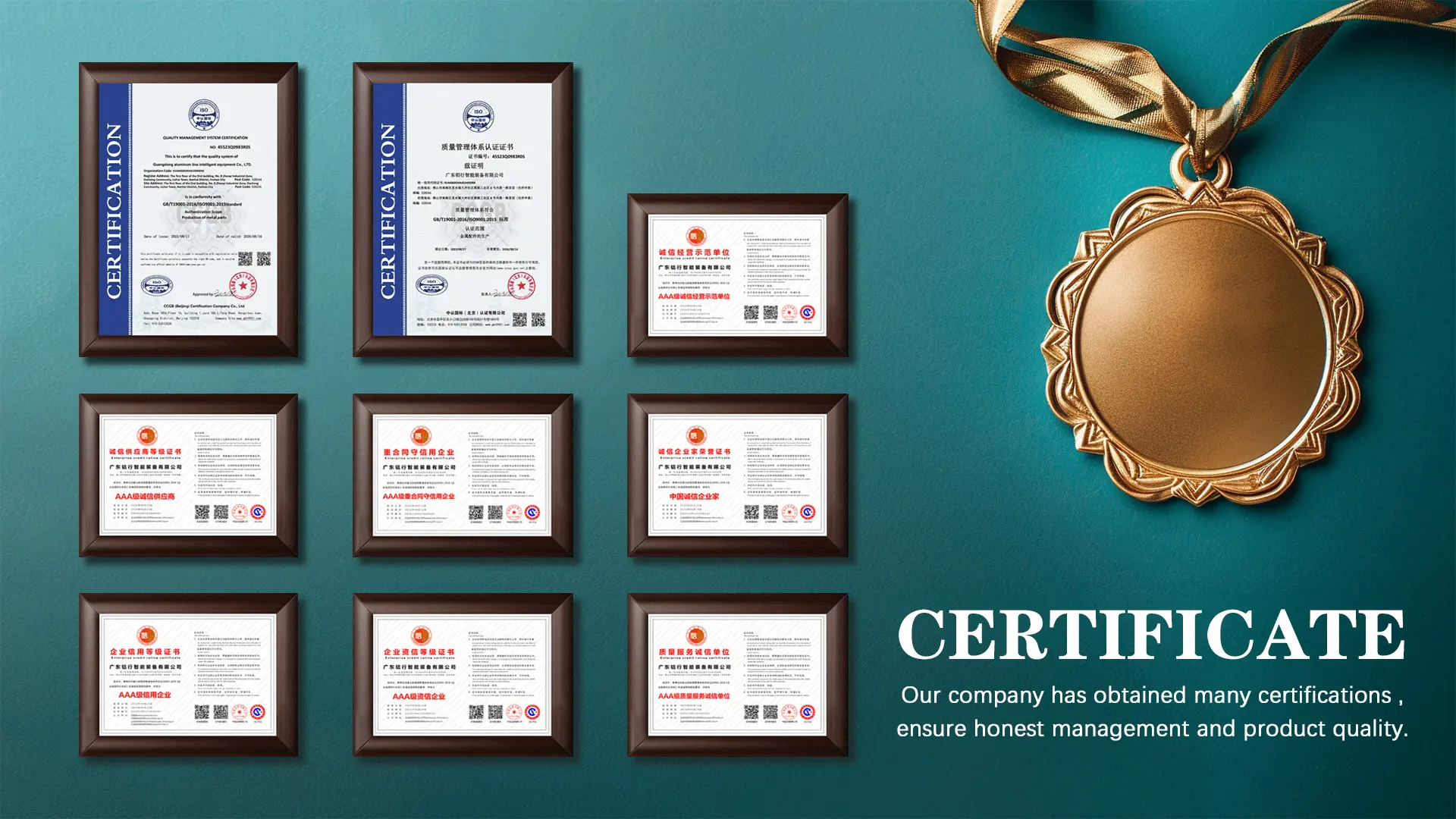
Our commitment to excellence is evident throughout the manufacturing process, rigorous quality control, thorough packaging, and efficient shipping procedures. This dedication has earned us recognition as a national excellent and honest enterprise, along with quality system certification in accordance with GB/T19001-2016/ISO9001:2015 standards.
We aspire to be your trusted business partner and warmly invite you to visit our factory.
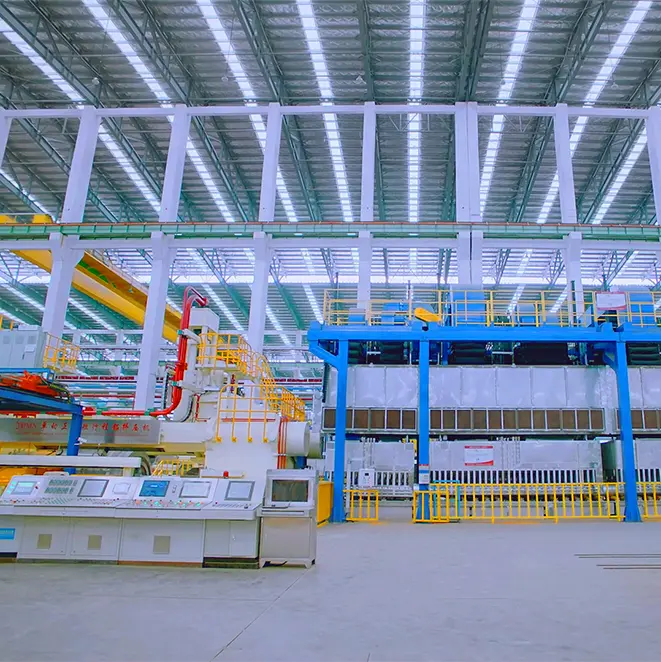
Verified manufacturing processes, high-end raw material sourcing, and specialized engineering talents.

We have obtained the “Special Aluminium Materials for Aerospace” Certificate. This validates our capacity to manufacture profiles that meet high dynamic stress and safety ratios needed for heavy rotary aircraft decks.
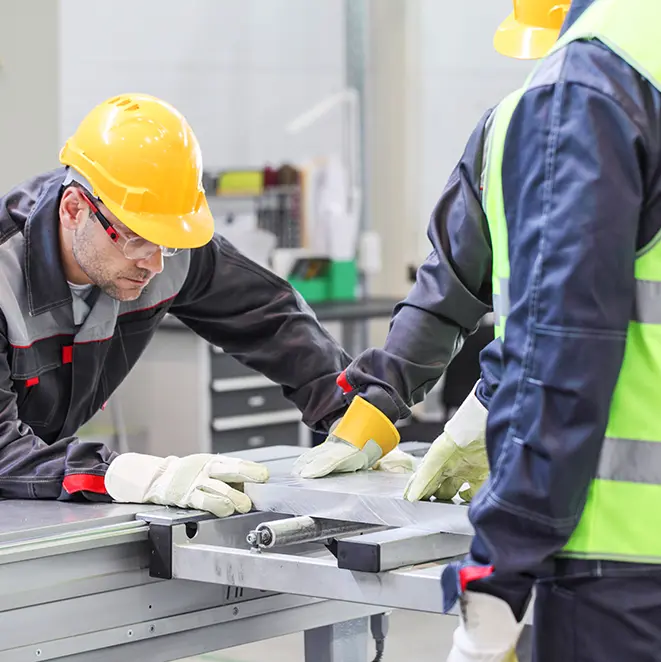

We provide and utilize high-quality Fenglu aluminum profiles. With extrusion lines ranging from 800T to 20,000T, we can produce alloys 1xxx, 2xxx, 3xxx, 5xxx, 6xxx, and 7xxx. We can manufacture fully shaped products with section dimensions up to 1.2 meters in width or 28 meters in length.
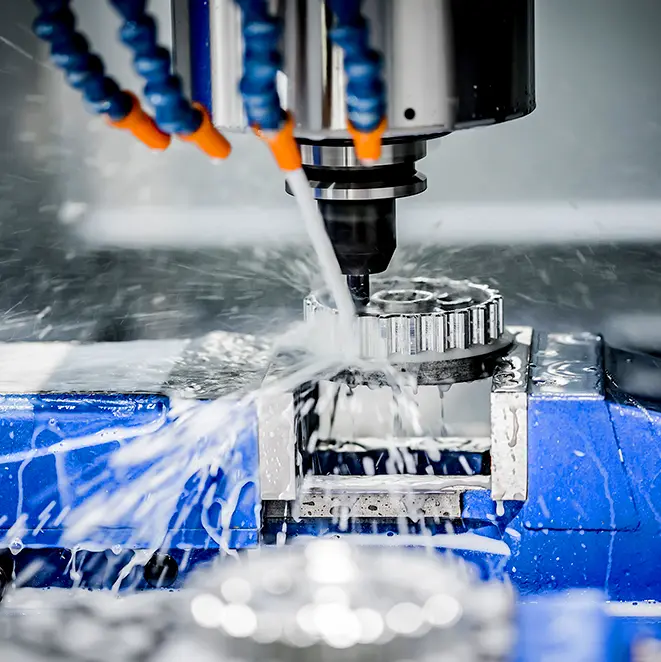

We have a team of technicians with 15 years of invaluable experience. Our deep understanding of customer requirements allows us to identify potential issues and offer practical insights, turning customer ideas into tangible products that meet specific needs.
Aligning design protocols with domestic Swedish aviation laws and international maritime conventions.
Any commercial, industrial, or medical helipad in Sweden must comply with the directives of Transportstyrelsen (Swedish Transport Agency), particularly regarding rooftop hospitals (TSFS 2011:92 and updates). Our engineering team designs the extrusion profiles to meet the friction coefficient and structural stiffness rules detailed under Swedish civil aviation law.
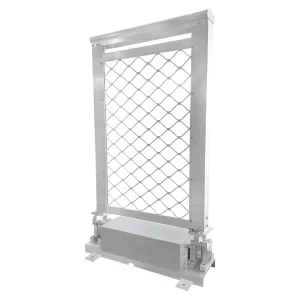
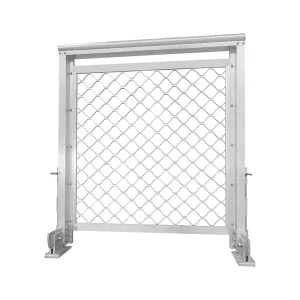
All safety parameters, including surface texture design, safety perimeter netting, and integrated lighting tracks, align with the International Civil Aviation Organization (ICAO) standards for heliports. This guarantees smooth inspection and licensing paths for project developers in Sweden.
Structural validation of our extruded sections adheres strictly to Eurocode 9 for structural aluminum designs. This includes comprehensive Finite Element Method (FEM) loading calculations to simulate the dynamic impacts of heavy emergency services helicopters during emergency landings.
For Swedish companies executing North Sea oil and gas infrastructure or offshore wind farm conversion platforms, our aluminum deck components conform to the stringent CAP 437 standards and NORSOK M-120 material standards for offshore heliports.
The future of helideck architecture in the European market.
As the European Union moves aggressively toward net-zero manufacturing, Sweden stands at the forefront of the green transition, driving innovations such as hydrogen-based steelmaking and low-carbon aluminum manufacturing. In response to this macro-industrial trend, Lvxing is actively investing in the research and development of ultra-low-carbon aluminum profiles. By sourcing primary aluminum smelted using renewable hydro and solar energy, we reduce the embedded carbon footprint of our helipad profiles, aligning with the sustainability objectives of our Nordic clients.
Our futuristic profile roadmap includes the integration of fiber-optic Bragg grating sensors directly within the extrusion cavities. These sensors continuously monitor the fatigue levels, structural deflection, and stress distribution during rotorcraft operations, providing real-time analytical feedback to maintenance engineers, ensuring high safety levels.
In addition to active de-icing channels, we are testing advanced hydrophobic coating technologies. These nanotechnology coatings prevent ice crystal adhesion, ensuring that any snow or sleet slides off easily when combined with wind currents generated by rotor wash.
Expert technical answers for structural engineers, project managers, and marine contractors in Sweden.
Review our complete suite of helipad components, safety netting, and specialized profiles.
 LvXing