Kenya’s positioning as the economic and logistical gateway to East Africa has catalyzed a paradigm shift in urban architecture and medical evacuation (Medevac) networks. As Nairobi, Mombasa, and Kisumu undergo unprecedented high-rise development and healthcare capacity building, the demand for specialized, compliant landing infrastructures is surging. Modern helipad design has evolved away from heavy, high-maintenance reinforced concrete structures toward lightweight, high-tensile all-aluminum helipads. Aluminum profiles act as the load-bearing deck planks, structural support joists, and safety perimeters crucial for helicopter landing zones (FATO/TLOF).
For Kenyan developers, civil engineers, and state agencies, securing localized, high-quality helipad aluminum profiles requires navigating a complex matrix of structural engineering, regulatory clearances by the Kenya Civil Aviation Authority (KCAA), and cost-efficiency. Our advanced modular structural profiles provide the required elasticity and strength-to-weight ratio to withstand severe high-altitude thermal fluctuations and wind loads characteristic of Kenyan environments.
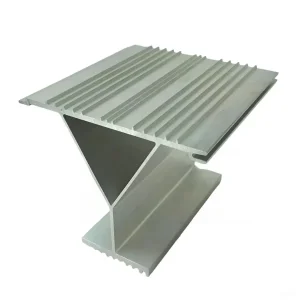
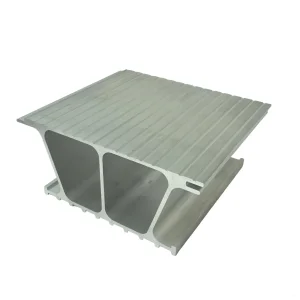
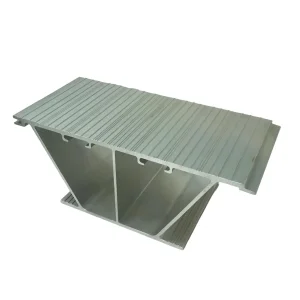
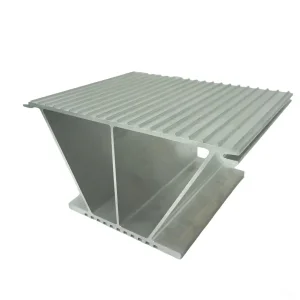
Designing and sourcing a helipad in Kenya is not merely an architectural choice; it is subject to rigorous regulatory oversight. The Kenya Civil Aviation Authority (KCAA) Civil Aviation Publication (CAP) 398 outlines the strict parameters required for heliport licensing. This includes load-bearing capacity ratings, surface friction coefficients, water drainage capability, and visual landing aids.
Helipad aluminum profiles must comply with international standards like ICAO Annex 14 Volume II (Heliports) and FAA AC 150/5390-2C. The structural aluminum deck must be engineered to withstand the Maximum Takeoff Weight (MTOW) of critical helicopters operating in East Africa, such as the Airbus H145, Bell 412, or the Mil Mi-8 heavy lifter. Our structural profile designs incorporate anti-slip knurling and built-in gutters, solving the safety problems associated with Mombasa's torrential monsoonal rains and Nairobi's seasonal downpours.
Established in 2015 and located in Foshan City, Guangdong, LvXing Intelligent Equipment Co., Ltd. boasts a highly skilled R&D team with extensive experience in structural aluminum design. We leverage exceptional technical expertise to effectively transform customer's conceptual drawings and engineering mandates into physical structures, consistently meeting and exceeding precise civil aviation requirements.
We exclusively utilize premium Fenglu Aluminum billets as our raw material, offering a diverse range of structural profiles for highly flexible and load-adaptive applications. Our state-of-the-art extrusion lines, ranging from 800T to 20,000T, accommodate high-performance alloys including the 1xxx, 2xxx, 3xxx, 5xxx, 6xxx, and 7xxx series. This tooling footprint allows us to produce complex hollow or solid profiles with cross-sectional dimensions up to 1.2 meters in width and single-extrusion lengths up to 28 meters.
These precision-engineered products are widely recognized for their structural integrity and meticulous CNC machining, finding critical deployment across global aerospace, military, medical, and specialized industrial sectors.
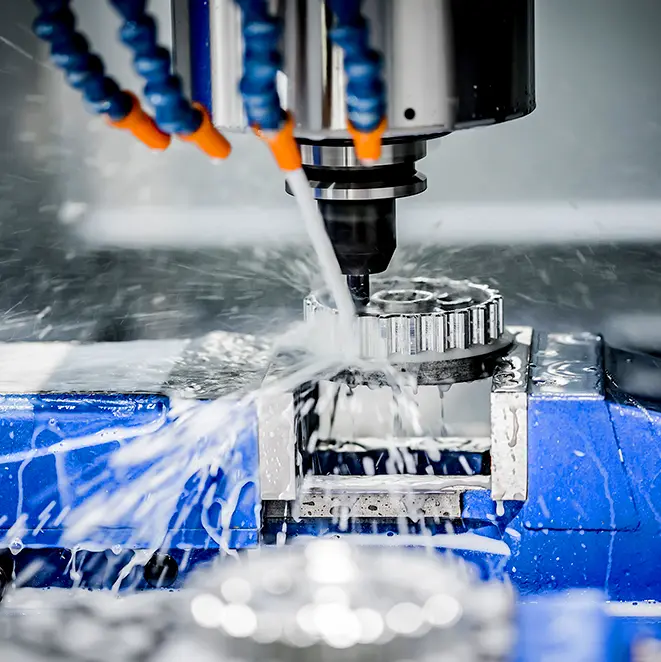
We deliver guaranteed structural performance under extreme load conditions through three core technical advantages:
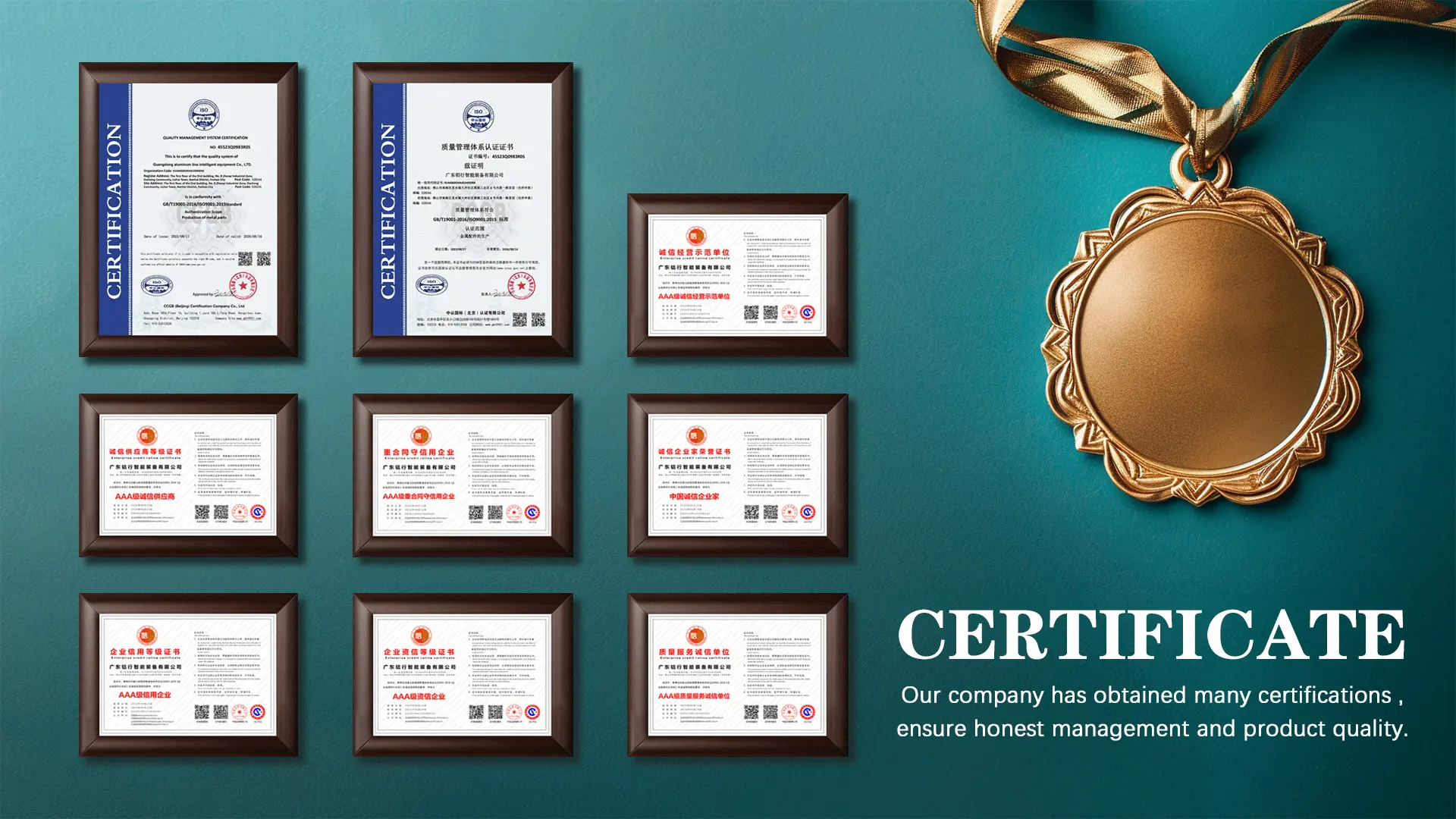
We have obtained the exclusive “Special Aluminium Materials for Aerospace” Certificate, ensuring every production batch meets strict microstructural integrity standards.
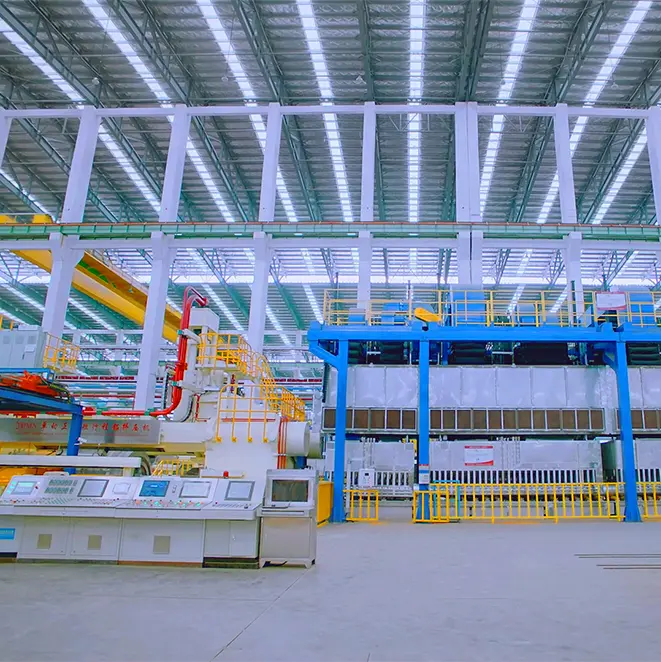
Utilizing massive 20,000T extrusion tooling, we can supply monolithic decking profiles up to 1.2m wide, minimizing joint lines and assembly times on site.
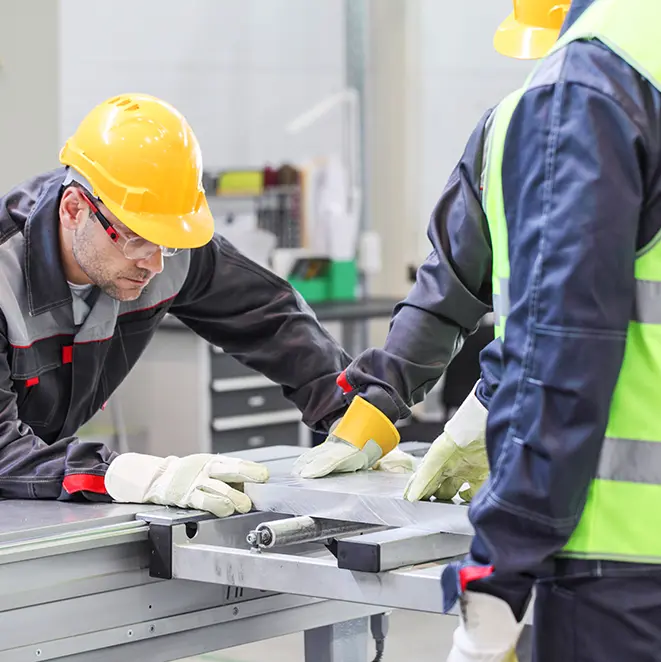
Our technical squad converts design intent into structural reality, identifying design flaws, calculating shear loads, and optimizing wind resistance profiles.
Navigating localized African project budgets requires suppliers who balance heavy structural specifications with dynamic cost management. Through our Factory 4.0 digital framework, LvXing coordinates real-time alloy smelting, extrusion speeds, and automatic CNC custom cutting. This level of factory automation ensures consistent tolerances (within ±0.5mm) and minimizes raw material scrap, passing the cost savings directly to East African clients.
For Kenyan developers sourcing from Foshan, China, we offer integrated supply chain logistics. From packaging structural crates with seawater-resistant plastic wrapping to managing containerized shipping lanes through Mombasa Port, we guarantee the safety of every shipment. By utilizing lightweight aluminum rather than steel, contractors reduce total freight weight by up to 60%, significantly lowering import duties, local road transport fees, and crane hire costs in Nairobi.
East Africa's climate and topography call for diverse engineering solutions. Our customizable aluminum profile systems are engineered for the following primary regional applications:
In metropolitan Nairobi, seismic loads and rooftop dead-weight constraints limit the viability of concrete helipads. Aluminum alloy decks distribute dynamic landing loads across existing building columns without requiring heavy structural retrofits. Additionally, our built-in cable conduits house landing light wiring and snow/ice melting systems (useful for high-elevation zones in the Rift Valley).
For critical hospitals in Nairobi and regional administrative seats, our non-magnetic aluminum profiles avoid interference with sensitive hospital imaging machinery (MRI, CT scanners) operating directly below the deck. Rapid rainwater drainage designs ensure the landing pad is safe for patient transfers within minutes of heavy storms.
Building concrete structures in locations like Maasai Mara, Laikipia, or Samburu causes ecological disruption and requires hauling wet concrete over rough terrain. Our modular aluminum helipads are delivered as flat-packed components. They can be hand-carried and bolted together on simple screw-pile foundations, preserving local flora and fauna.
Explore our line of heavy-duty deckings, customizable round structures, and KCAA-compliant perimeter net systems.
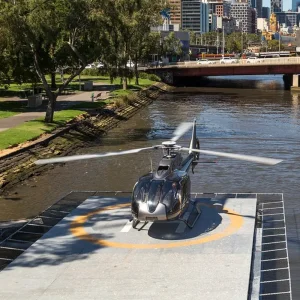
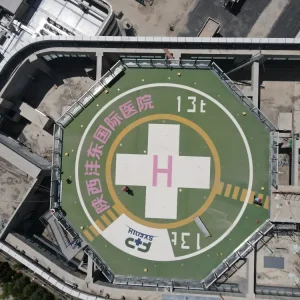
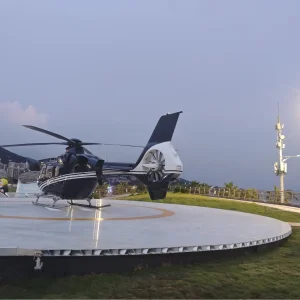
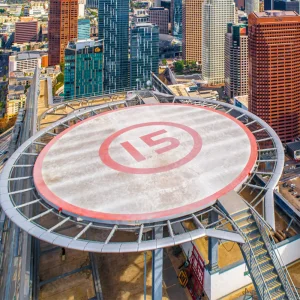
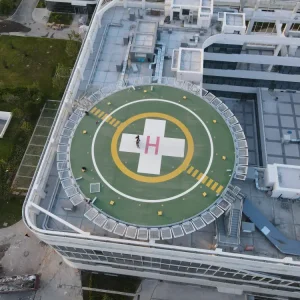
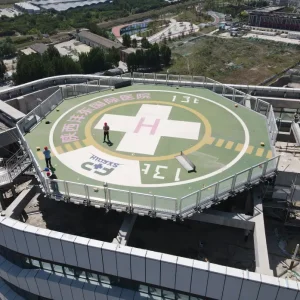
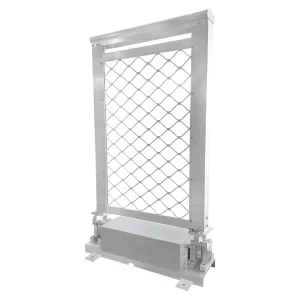
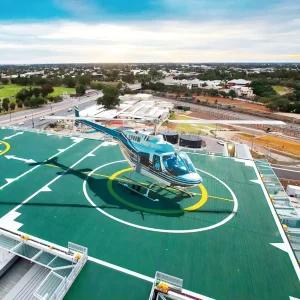
Heavy-duty 6000-series structural profile designed for trauma landing points.
When calculating the budget for a helipad construction project in Nairobi or Mombasa, the final quotation is influenced by several critical raw material and processing factors. Aluminum profiles are not sold as generic off-the-shelf items but are estimated per metric ton or square meter, depending on design specs.
Key components influencing the total bill of materials (BOM) include:
Get structural answers from our senior engineering team regarding compliance, mechanical properties, and installation in Kenya.
Get in touch with our Foshan-based structural aluminum experts. We provide comprehensive layout design, FEA structural reports, ICAO/KCAA compliance reviews, and competitive pricing for the East African market.
Request Technical Proposal & Pricelist LvXing