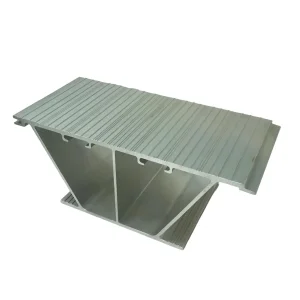
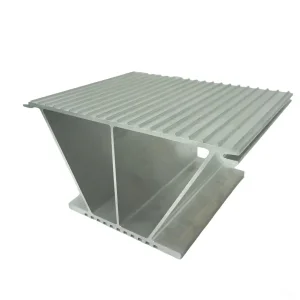
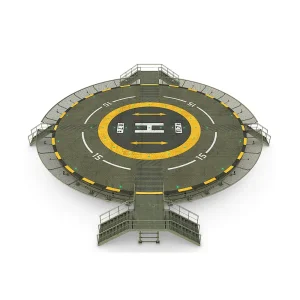
High-performance interlocking aluminum extrusions engineered to withstand high wind loads and coastal corrosion across Montevideo and coastal areas.
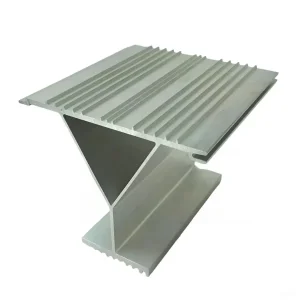
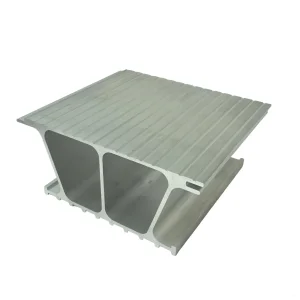
Uruguay is strategically positioned as a logistical hub in the Southern Cone. With expanding offshore maritime activities, offshore logistics support, search-and-rescue (SAR) operations, and urban medical transportation in metropolitan Montevideo, the demand for highly reliable aviation infrastructure is surging.
Traditional concrete helipads are being phased out in favor of lightweight, marine-grade aluminum profiles. These structures offer significant advantages in coastal areas like Punta del Este and the Port of Montevideo, where saline air accelerates the degradation of steel-reinforced concrete. By utilizing advanced 6000-series structural aluminum alloys, projects can achieve decades of maintenance-free service life under harsh Atlantic maritime conditions.
How LvXing Intelligent Equipment translates advanced aerospace extrusion technology into global industrial applications.
Established in 2015 and located in Foshan City, Guangdong, LvXing Intelligent Equipment Co., Ltd. boasts a skilled R&D team with extensive experience. We leverage exceptional technical expertise to effectively transform customers' ideas into reality, consistently meeting their precise requirements.
We utilize premium Fenglu aluminum, offering a diverse range of profiles for flexible applications. Our extrusion lines, ranging from 800T to 20,000T, accommodate alloys 1xxx, 2xxx, 3xxx, 5xxx, 6xxx, and 7xxx, allowing us to produce shaped products with section dimensions up to 1.2 meters in width and 28 meters in length. These products are recognized for their precision and meticulous processing, finding broad application in aerospace, military, medical, and industrial sectors.
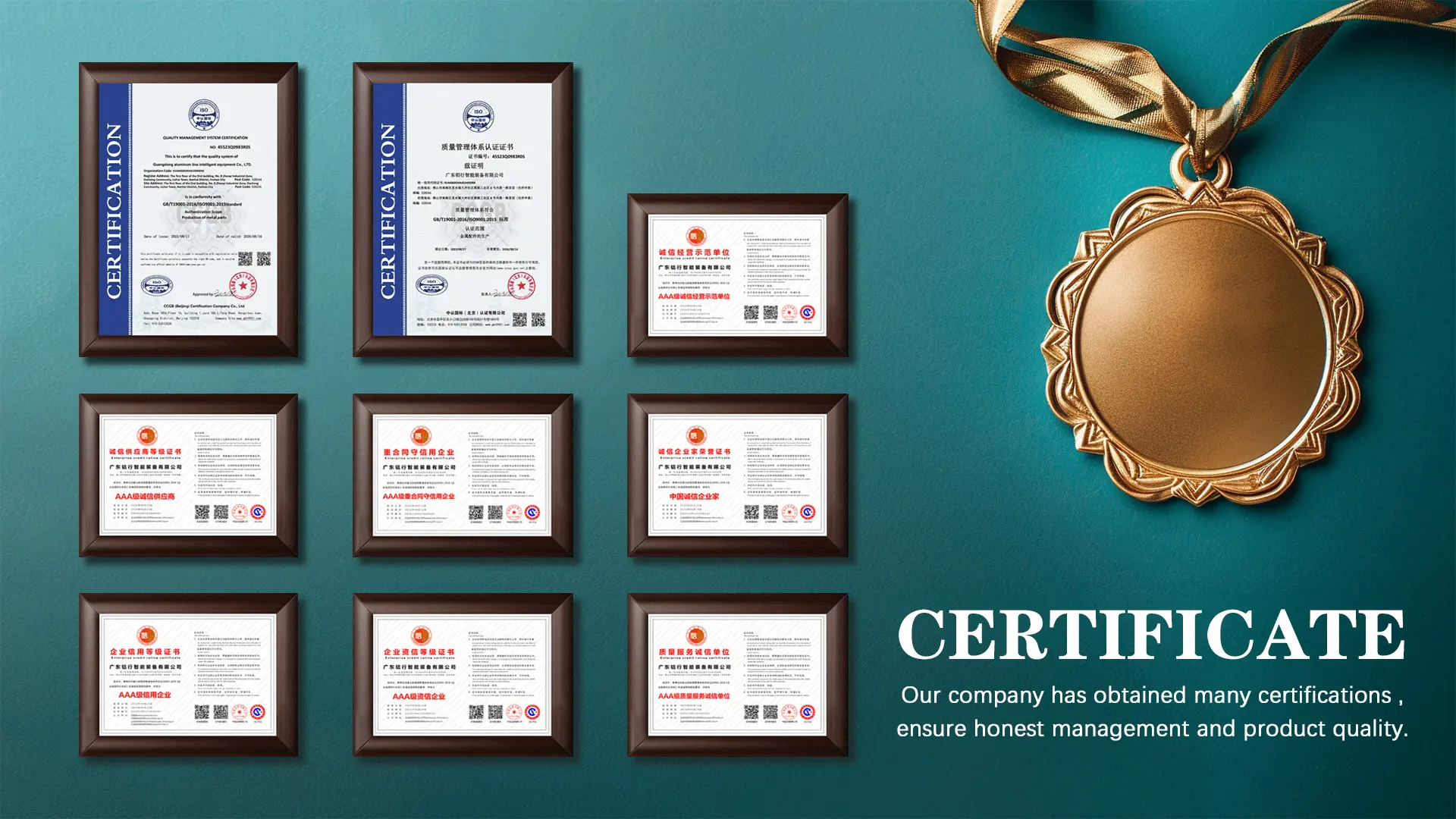
Our commitment to excellence is evident throughout the manufacturing process, rigorous quality control, thorough packaging, and efficient shipping procedures. This dedication has earned us recognition as a national excellent and honest enterprise, along with quality system certification in accordance with GB/T19001-2016/ISO9001:2015 standards.
We aspire to be your trusted business partner and warmly invite you to visit our factory.
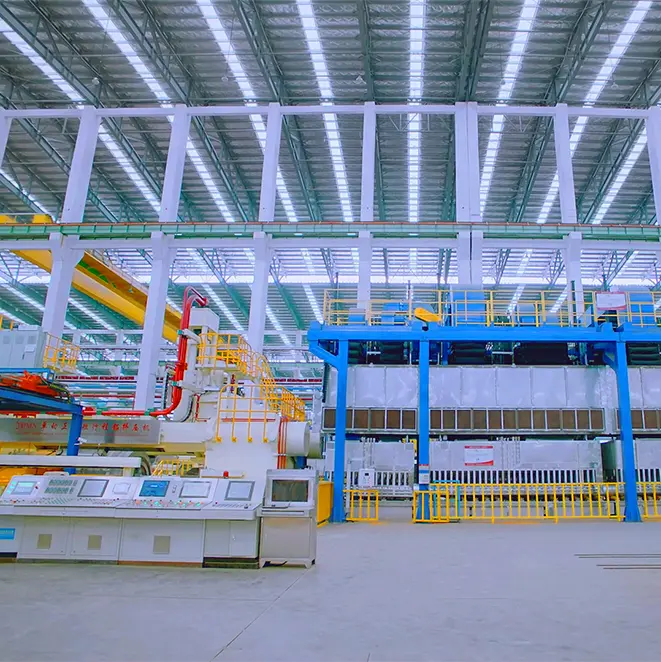

We have obtained the "Special Aluminium Materials for Aerospace" Certificate, guaranteeing the metallurgical purity required for helideck structural safety.
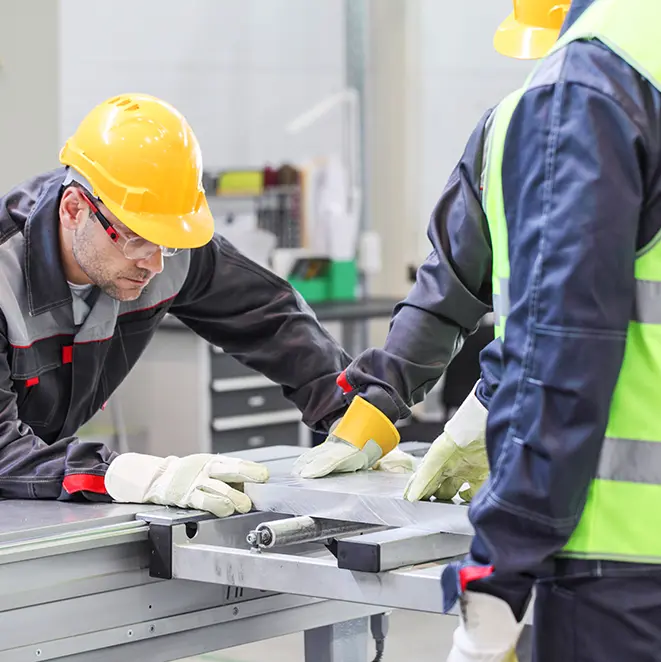

We provide and utilize high-quality Fenglu aluminum profiles. With extrusion lines ranging from 800T to 20,000T, we produce alloys 1xxx to 7xxx up to 1.2m wide or 28m long.
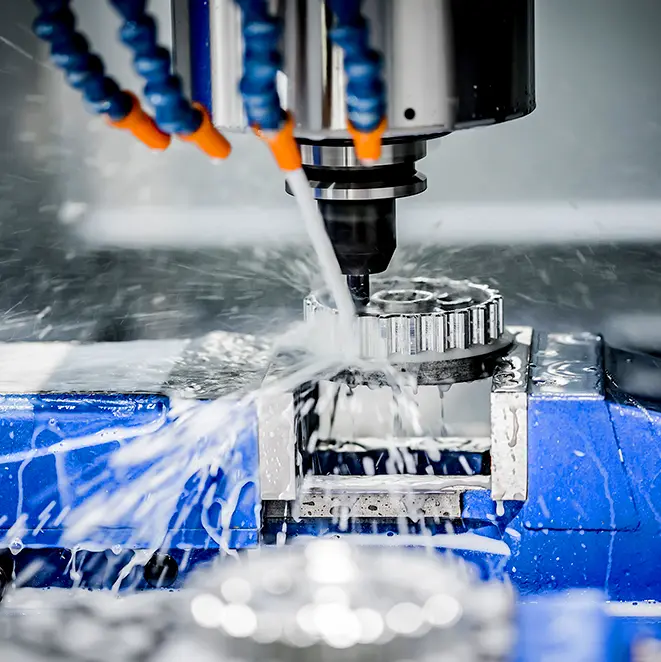

Our team of technicians possesses over 15 years of invaluable experience, resolving complex engineering challenges to deliver customized turnkey helipad solutions.
Pioneering next-generation vertical take-off and landing (VTOL) structural solutions for South American maritime and urban frameworks.
Marine environments require superior resistance to corrosion fatigue. Our primary aluminum profiles utilize 6005A-T6 and 6082-T6 temper configurations. These alloys contain precisely balanced magnesium and silicon additives, treated with heat-aging to maximize tensile strength while preventing stress corrosion cracking (SCC) under constant exposure to Atlantic sea-spray.
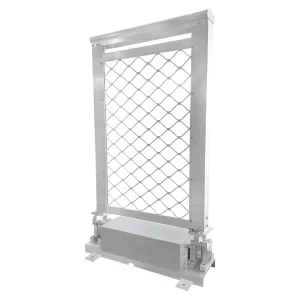
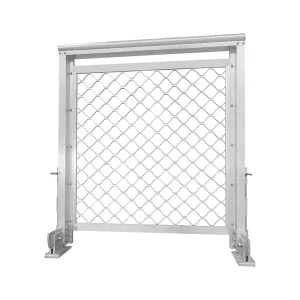
Our technology roadmap integrates computerized stress-testing (FEA analysis) during the initial design phase to simulate real-world impacts from heavy transport helicopters like the Sikorsky S-92 or AgustaWestland AW139. Additionally, our automated and electric perimeter safety nets utilize flexible, marine-grade stainless steel 316 or specialized aluminum alloy wire meshes designed to absorb the dynamic kinetic energy of a fall without damaging the aircraft.
Tailored landing platforms designed for diverse commercial, rescue, and security operations.
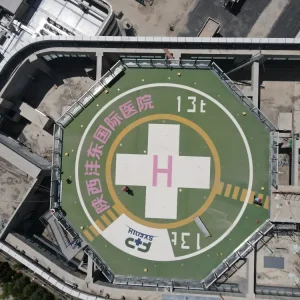
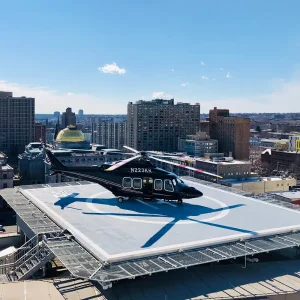
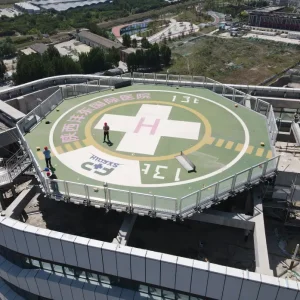
Enabling fast, emergency medical access directly on top of health centers in major urban centers. Engineered with advanced anti-slip surface ribs and integrated lighting channels for 24/7 all-weather operations.
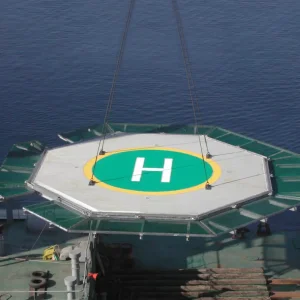
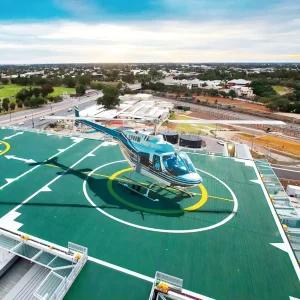
Corrosion-proof marine structures designed to endure severe oceanic swells, gale-force winds, and saline exposure. Incorporates peripheral water-runoff and fuel-drainage systems to maintain safe landings.
Lightweight designs for elevated buildings in Montevideo and Punta del Este. Minimal structural stress additions permit installation on older buildings without intensive foundation retrofitting.
Engineering elevated helicopter landing fields requires rigorous adherence to local and international protocols. Our products are specifically engineered to comply with the guidelines defined by the Dirección Nacional de Aviación Civil e Infraestructura Aeronáutica (DINAC) in Uruguay, as well as the standard specifications established by the International Civil Aviation Organization (ICAO Annex 14, Volume II) and the UK Civil Aviation Authority's CAP 437.
All safety net structures undergo structural drop tests, verifying they can catch a 100kg load from heights exceeding 1 meter without structural failure or detachment. Each component is shipped with complete traceability records, alloy composition certificates, and loading calculations to streamline local structural approvals.
Leveraging state-of-the-art industrial processing to guarantee quality delivery to Montevideo Port.
Located in the heart of China’s aluminum processing sector, Foshan City, our manufacturing plant leverages advanced ERP management systems and automated CNC milling stations. With extrusion capacity scaling up to 20,000 tons, we maintain consistent metal density and dimensional tolerances, preventing warp or profile gaps when locked together.
We run a direct channel supplying major projects in South America. Our export division manages everything from protective packaging (non-scratch wrapping, specialized wooden framing, and water-resistant tarpaulins) to direct shipping, ensuring raw aluminum products arrive at your construction site in Uruguay in pristine condition.
Explore our specialized assemblies, perimeter nets, and platform components optimized for Uruguayan procurement.
Get answers to critical technical questions regarding the specification, transport, and installation of modular aluminum helipads.
Get in touch with our Foshan-based technical sales specialists today. We provide free engineering consultations, dimensional drawings, and precise factory-direct quotes for all customized designs.
Request a Consultation Now LvXing