CE-Certified High-Strength Interlocking Helipad Decks and Structural Components
Spain is witnessing a profound modernization of its aviation and emergency rescue infrastructure. Driven by strict safety codes established by the Agencia Estatal de Seguridad Aérea (AESA) and EASA (European Union Aviation Safety Agency), regional healthcare departments, maritime agencies, and industrial sectors are shifting rapidly toward high-performance structural systems.
From the high-wind offshore environments of the Cantabrian Sea and the Atlantic coast to the metropolitan rooftop helipads of Madrid and Barcelona, the demand for lightweight, high-load, and corrosive-resistant helideck solutions is at an all-time high. Conventional concrete pads are being phased out in favor of Aluminium Helipad Profiles. These systems reduce dead weight loads on roofs by up to 70%, simplify structural calculations under Eurocode 9, and offer lifetime protection against the corrosive marine atmospheres typical of Spain's coastal regions.
Additionally, Spain’s position as a key maritime corridor in the Mediterranean and Atlantic has accelerated the integration of marine-grade safety systems, notably perimeter safety nets on vessels, oil platforms, and private yachts, where failure is not an option.
An analysis of material longevity, structural dynamics, and environmental compliance
In structural helipad engineering, the selection of the profile alloy is critical. Modern Spanish architectural standards favor 6000-series aluminum alloys (6082-T6 and 6061-T6). These alloys deliver the optimal balance of tensile strength, fatigue resistance, and weldability. Traditional concrete pads present severe drawbacks in Spain's microclimates—they crack under thermal expansion, absorb moisture which causes rebar corrosion (especially in coastal Andalusia and Galicia), and add tremendous dead weight to buildings, demanding massive structural columns.
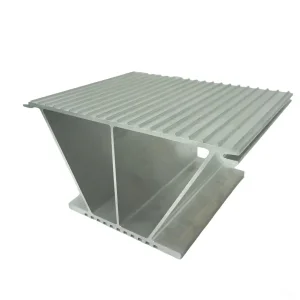
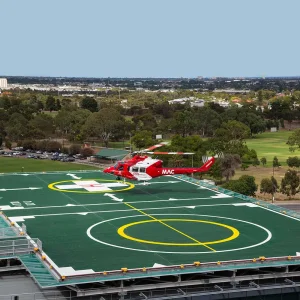
Engineered aluminum decks solve these issues by introducing prefabricated, interlocking profiles. The design integrates dynamic load-bearing channels that evenly distribute the impact forces of helicopters during landing (e.g., Airbus H135 or H145, commonly deployed by Spain’s HEMS). Integrated channels also allow for pre-fitted fire suppression systems, landing light pathways, and surface drainage channels that prevent the accumulation of water, fuel, and ice, aligning with CAA CAP 437 standards.
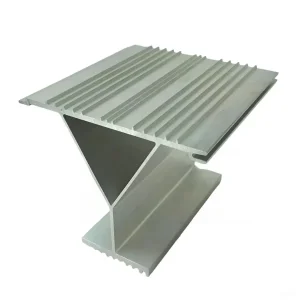
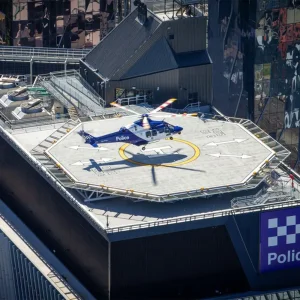
Engineered for high structural stability and extreme shear resistance. Perfect for elevated rooftop platforms in high-density urban areas like Madrid.
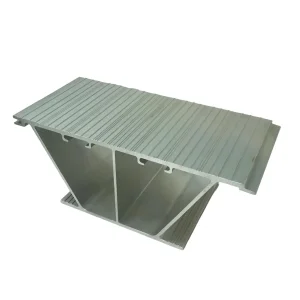
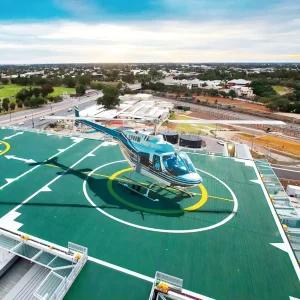
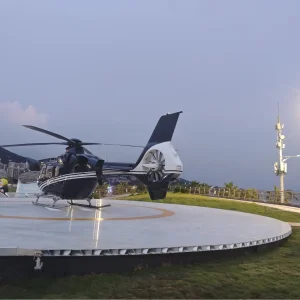
Anodized aluminum profiles offer outstanding resistance to salty atmospheres, making them ideal for coastal Spanish helidecks and marine projects.
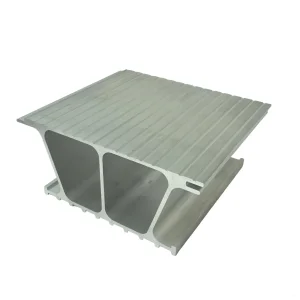
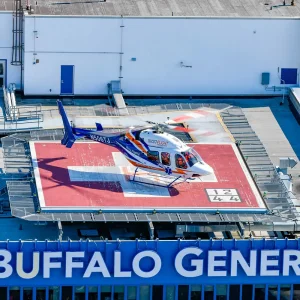
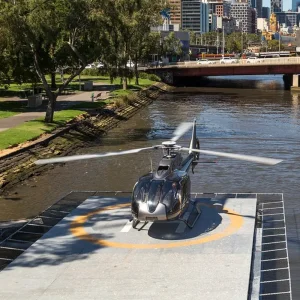
Interlocking tongue-and-groove connections enable swift assembly on site without hot work, reducing structural downtime and municipal disruption.
Delivering high-tech structural solutions globally
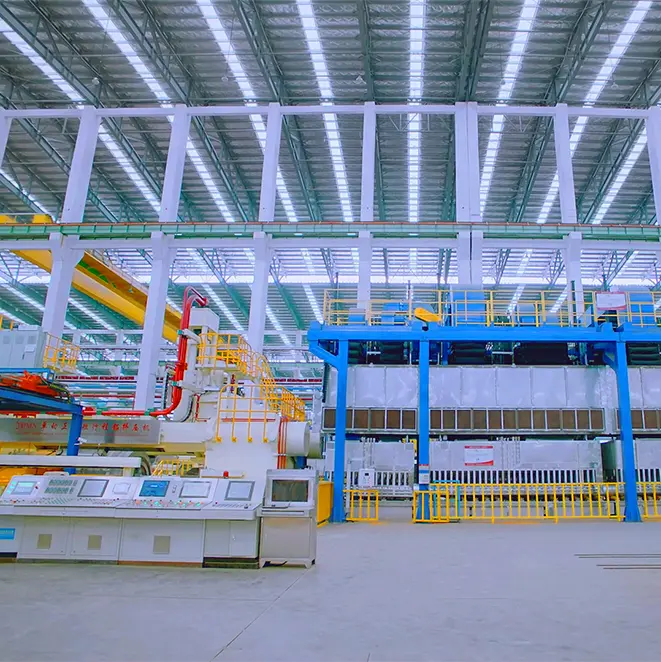
Established in 2015 and located in Foshan City, Guangdong, LvXing Intelligent Equipment Co., Ltd. boasts a skilled R&D team with extensive experience. We leverage exceptional technical expertise to effectively transform customers' ideas into reality, consistently meeting their precise requirements.
We utilize premium Fenglu aluminum, offering a diverse range of profiles for flexible applications. Our extrusion lines, ranging from 800T to 20,000T, accommodate alloys 1xxx, 2xxx, 3xxx, 5xxx, 6xxx, and 7xxx, allowing us to produce shaped products with section dimensions up to 1.2 meters in width and 28 meters in length. These products are recognized for their precision and meticulous processing, finding broad application in aerospace, military, medical, and industrial sectors.
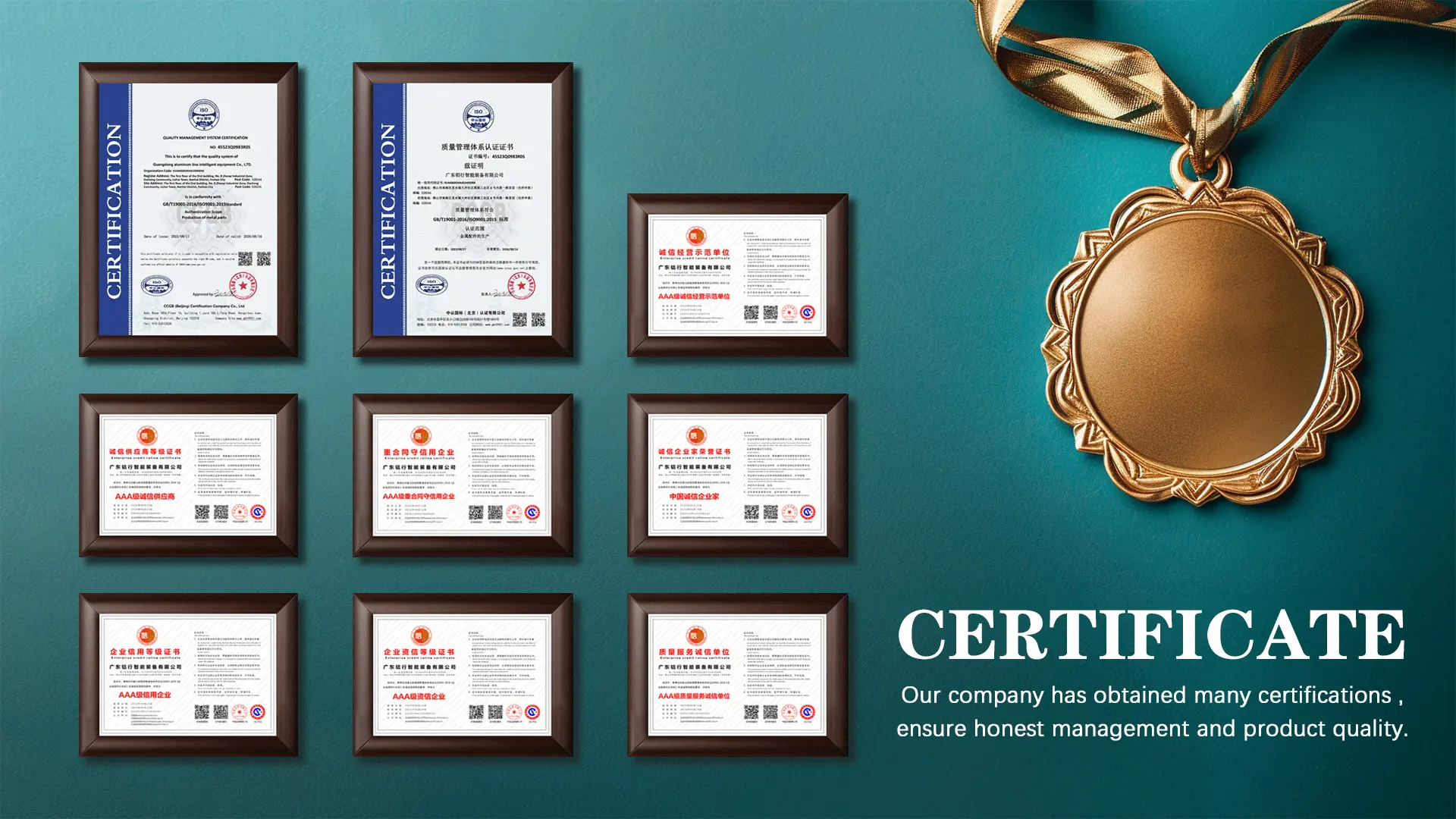
Our commitment to excellence is evident throughout the manufacturing process, rigorous quality control, thorough packaging, and efficient shipping procedures. This dedication has earned us recognition as a national excellent and honest enterprise, along with quality system certification in accordance with GB/T19001-2016/ISO9001:2015 standards.
Engineered to comply with rigorous European aviation and maritime guidelines

We have obtained the "Special Aluminium Materials for Aerospace" Certificate. This ensures that every alloy extruded for our helipad profiles meets aerospace-grade structural thresholds and high fatigue limits.
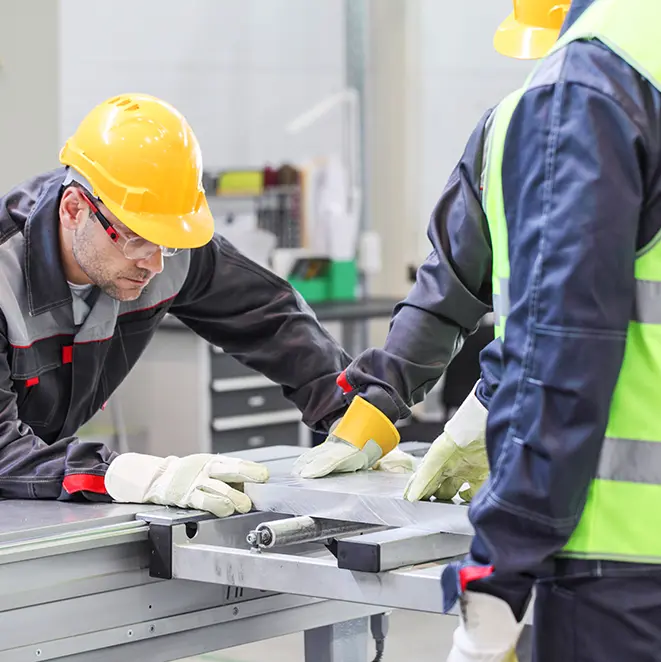

We provide and utilize high-quality Fenglu aluminum profiles. With extrusion lines ranging from 800T to 20,000T, we can produce alloys 1xxx, 2xxx, 3xxx, 5xxx, 6xxx, and 7xxx. We can manufacture fully shaped products with section dimensions up to 1.2 meters in width or 28 meters in length.

We have a team of technicians with 15 years of invaluable experience. Our deep understanding of customer requirements allows us to identify potential issues and offer practical insights, turning customer ideas into tangible products that meet specific needs.
In a global marketplace marked by material price volatility and construction deadlines, procurement managers in Spain require reliable supply chains. Lvxing’s production facility in Foshan integrates Industry 4.0 smart manufacturing technologies. Our automated extrusion, cutting, and CNC machining processes guarantee dimensional tolerances within micrometers, critical for the flawless interlocking assembly of helideck planks.
By partnering with Fenglu, we secure prioritized billet allocation, neutralizing raw material price swings. We offer European clients:
Compliance with local Royal Decrees, AESA directives, and environmental conditions
Helipad design in Spain must conform to regional regulations (such as regional health safety codes for emergency medical helipads) and national aviation rules. Elevated decks constructed on top of major Spanish hospitals (e.g., in Madrid, Catalonia, and Galicia) require structural systems that do not transmit noise and vibration to the clinical levels below. Our aluminum profile decks are engineered to damp vibration frequencies effectively when coupled with elastomeric isolation bearings.
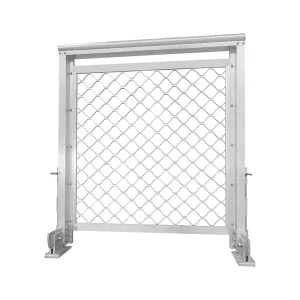
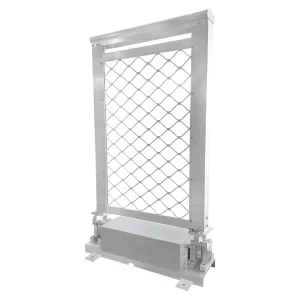
Furthermore, coastal installations—such as maritime rescue helipads, naval vessels engineered by Spanish shipbuilders, or off-shore energy platforms—require perimeter safety nets that prevent personnel and gear from falling off the deck. Our CE-certified helideck perimeter safety nets (available in both manual and automatic fold-down configurations) use premium grade 316 stainless steel mesh or specialized high-tensile aluminum framing. These nets are designed to meet EASA CS-HSV and CAP 437 guidelines, surviving 15-year salt-spray corrosion tests without structural degradation.
Select the certified specifications optimized for marine, urban, and remote environments
Critical engineering and regulatory queries answered by structural specialists
 LvXing