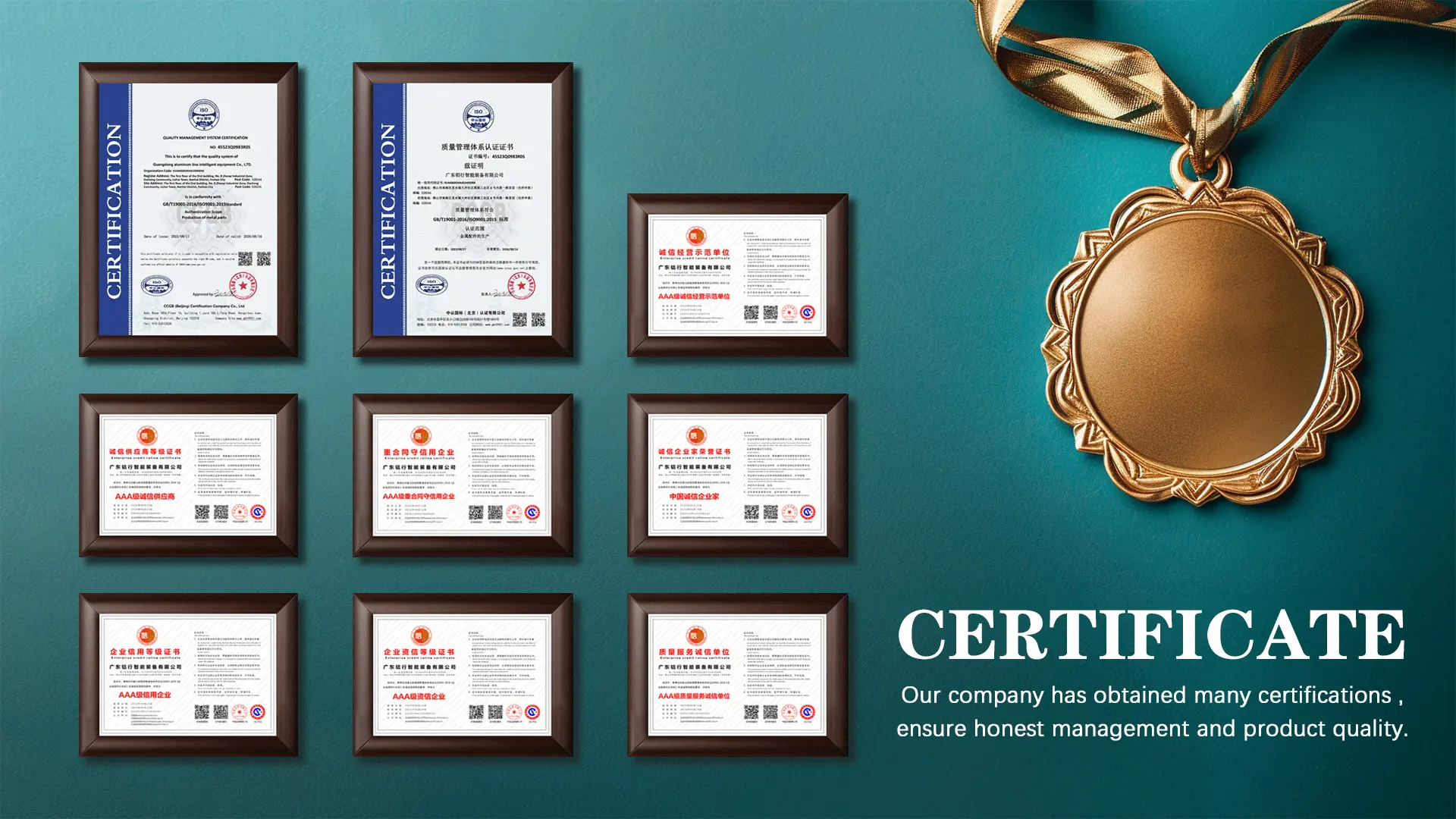
Engineered for extreme marine environments and urban hospital structural guidelines across Denmark and the Nordic regions.
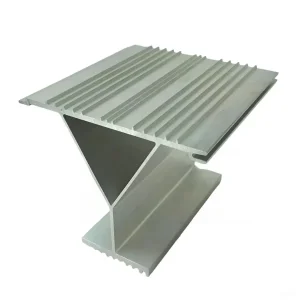
Structural interlocking lightweight aluminum profiles designed for rapid installation on offshore wind platform substations.
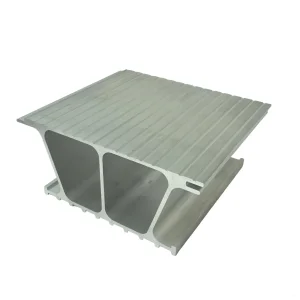
Full CE-certified marine extrusion deck profiles optimized to withstand high dynamic loads from civil and military helicopters.
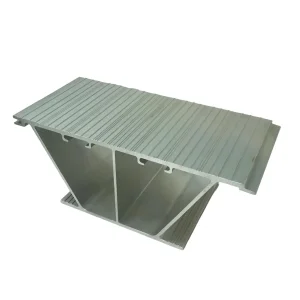
Custom structural profiles configured for high-stress rooftop hospital helipads with integrated drainage and lighting paths.
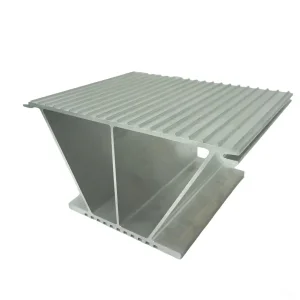
High-strength structural sections ideal for naval deck integrations, supporting aggressive sea states and ice build-up.
LVXING SPECIALIZES IN ADVANCED INDUSTRIAL ALUMINUM SOLUTIONS
Established in 2015 and located in the industrial heart of Foshan City, Guangdong, LvXing Intelligent Equipment Co., Ltd. has grown to become an authoritative designer and manufacturer of aluminum helipads and perimeter safety systems. Backed by a highly specialized R&D team with decades of combined engineering experience, we convert complex offshore and civil aviation structural designs into high-precision aluminum extrusions. Our focus on quality and regulatory compliance has positioned us as a trusted partner for structural contractors throughout the Danish kingdom and broader Baltic maritime sectors.
Our strategic manufacturing partnership leverages premium Fenglu Aluminum profiles. Fenglu is globally recognized for metallurgical purity, providing the raw material foundation that allows us to produce structural components capable of surviving the highly corrosive, saline conditions of the North Sea. Equipped with comprehensive extrusion lines ranging from 800T to a massive 20,000T, our facilities process architectural and structural alloys across 1xxx, 2xxx, 3xxx, 5xxx, 6xxx, and 7xxx series. We can manufacture fully shaped products with cross-sectional widths reaching 1.2 meters and structural lengths stretching up to 28 meters, ensuring minimal joint welding and enhanced load bearing properties across large-scale landing zones.
At Lvxing, we recognize that structural reliability is not optional when helicopters land on offshore platforms or hospital roofs. Our operations strictly conform to global quality management architectures, earning quality system certifications in accordance with GB/T19001-2016/ISO9001:2015 standards. From initial mechanical stress analysis and FEA modeling to final marine-grade anodization and packaging, our entire supply chain is audited to guarantee that Danish civil aviation authorities receive exactly what engineering specifications dictate.
Denmark remains a global epicenter for offshore wind energy innovation, driven by ambitious green transitions in the Baltic and North Seas. Crucial wind projects, such as the Horns Rev and Kriegers Flak arrays, alongside the pioneering North Sea Energy Island, require massive high-voltage direct current (HVDC) converter platforms. These platforms must accommodate helicopter landings for technical staff rotation during heavy seas when crew transfer vessels (CTVs) cannot safely dock.
Traditional heavy concrete or structural steel decks add excessive top-side weight to these marine platforms, forcing larger support structures and higher CAPEX. Lvxing's modular aluminum profile systems provide an engineered alternative, dropping total landing deck weight by up to 60% compared to steel. Furthermore, the high saline environments of Denmark's coastal waters demand alloys with excellent corrosion resistance (such as 6082-T6), eliminating the need for recurring rust protection paint schedules and ensuring a 30+ year service life.
Aviation safety in Denmark is overseen by Trafikstyrelsen (the Danish Civil Aviation and Railway Authority). Standard municipal hospital helipads (like the rooftop landing zone at Copenhagen's Rigshospitalet) and offshore platforms must align strictly with international regulations, including ICAO Annex 14 Volume II and the United Kingdom Civil Aviation Authority's CAP 437 standards.
These regulations stipulate strict rules for structural landing deck friction, impact load distributions, emergency fuel drainage channels, and perimeter safety nets. Our aluminum profiles feature built-in groove tracks that allow for the integration of lighting systems, fire-fighting foam nozzles, and rapid drainage channels. In addition, our perimeter safety nets are drop-tested to meet the rigorous 2.25 kJ impact energy absorption rules defined by CAP 437, ensuring maximum safety for deck operators.
How aluminum extrusion technology is replacing outdated concrete and steel structures internationally.
Aluminum has a density approximately one-third of structural steel. When building elevated hospital rooftops or high-rise helipads in dense urban centers like Copenhagen or Aarhus, minimizing dead load is vital. Lower dead load translates to reduced structural steel framing reinforcement throughout the building, saving millions in architectural construction costs.
Marine-grade aluminum (specifically 6000-series structural alloys) forms a natural protective oxide layer that resists aggressive chloride attacks. Unlike steel, which requires sandblasting and paint recoating every few years in maritime environments, aluminum helipads remain maintenance-free, drastically reducing OPEX for offshore wind and oil operators.
Lvxing's helipads utilize an interlocking plank profile system. Individual profiles slide together and are bolted to a support frame, eliminating the need for onsite welding. This modular nature allows a helideck to be assembled in a matter of days rather than weeks, keeping project timelines tight and avoiding weather window delays.
Why global EPC contractors and Danish municipal developers choose Lvxing engineering.
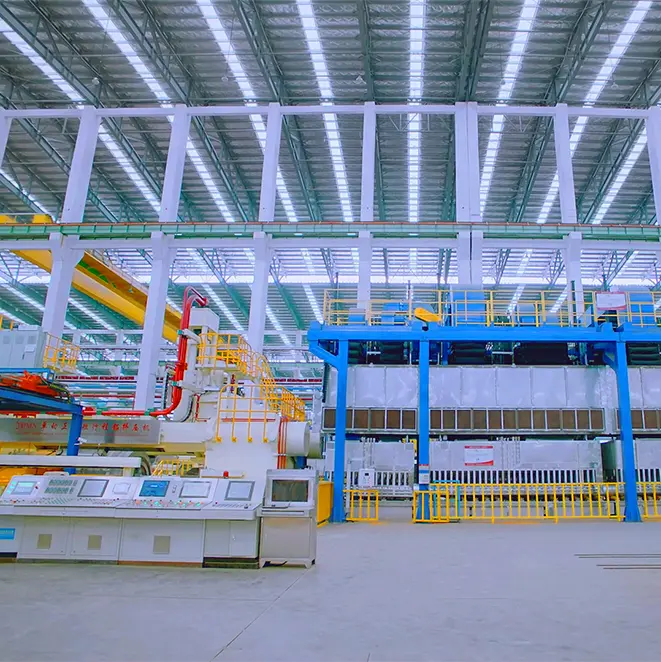

Lvxing has formally obtained the prestigious "Special Aluminium Materials for Aerospace" Certificate. This benchmark proves our capacity to produce extrusions that meet strict aerospace stress parameters, ensuring our helipads support high dynamic landing impacts, severe wind shear, and emergency crash loads without structural failure.
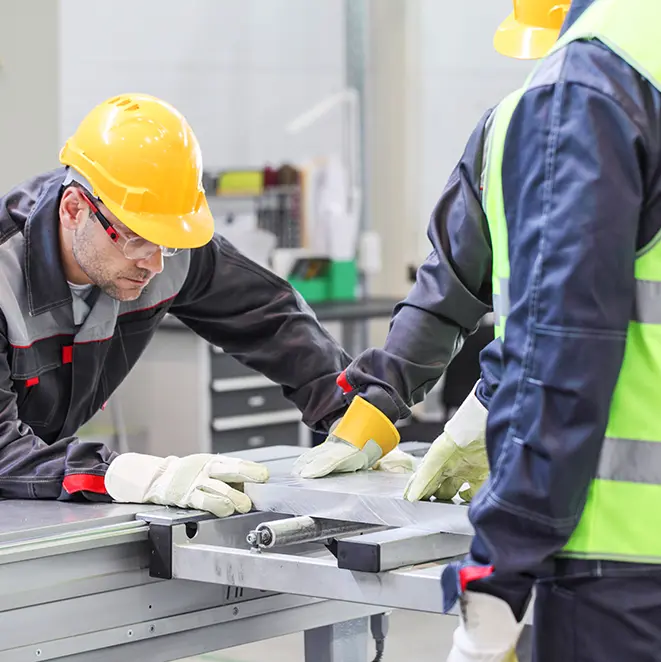

We provide and utilize high-quality Fenglu aluminum profiles. With extrusion lines ranging from 800T to 20,000T, we can produce alloys in the 1xxx, 2xxx, 3xxx, 5xxx, 6xxx, and 7xxx series. This allows us to manufacture fully shaped, monolithic deck products with section dimensions up to 1.2 meters in width or 28 meters in length, reducing mechanical joints and installation points.
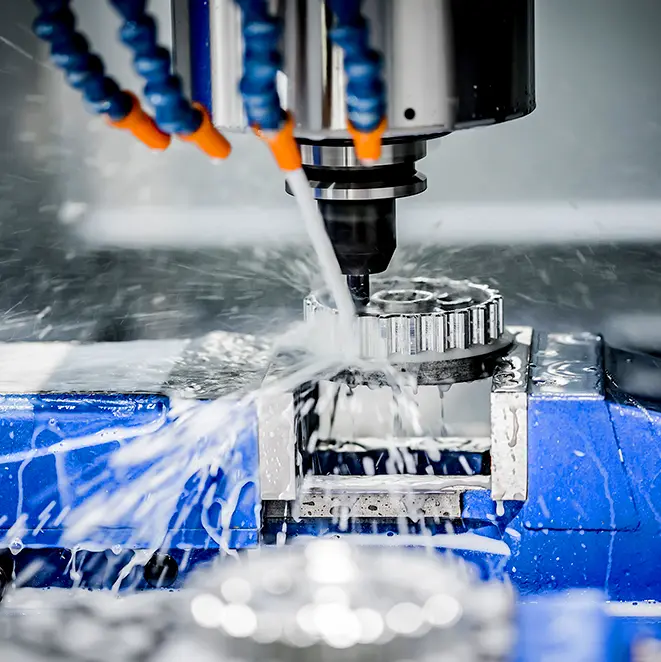

We have a team of technicians with 15 years of invaluable experience in aluminum design. Our deep understanding of customer requirements allows us to identify potential issues early in the design stage, perform advanced Finite Element Analysis (FEA), and offer practical insights that turn architectural drafts into tangible products that satisfy strict regulatory bodies.
Leveraging the raw power of Chinese production capacity, optimized supply chains, and rapid delivery models.
Foshan City is the undisputed global capital for aluminum extrusion. By maintaining our principal manufacturing base here, Lvxing benefits from a highly concentrated upstream and downstream supply chain. Our raw material sourcing from Fenglu ensures consistent metallurgical standards while securing volume-based material pricing.
These localized cost efficiencies are passed directly to our customers. This allows us to provide Danish contractors with highly competitive pricelists and transparent quotes that are frequently 30% to 40% more cost-effective than fragmented European metal fabricators, without compromising on certified mechanical properties.
A completed helideck requires more than just raw aluminum extrusions. It demands comprehensive secondary machining, including complex CNC milling for dynamic lighting slots, precise angle cuts for polygon configurations, and robotic welding of structural supports. Our facility houses multi-axis CNC machining centers that process profiles up to 28 meters in length with sub-millimeter tolerances.
By containing extrusion, precision machining, marine anodization, quality inspection, and trial-fit pre-assembly within a single Chinese factory, we eliminate inter-vendor transport delays. This allows us to offer swift delivery times, ensuring the components arrive ready for direct assembly at Danish ports or construction sites.
Our lightweight structural aluminum decks are mounted on wind substation platforms in the North Sea. Certified alloy composition ensures maximum resistance to severe maritime environments and prevents structural icing.
For urban trauma center rooftops in Denmark, our modular systems distribute impact loads cleanly. Pre-engineered drainage pathways isolate helicopter fuel spills instantly, redirecting them to remote safety drains.
Designed for maritime patrol frigates and commercial vessels navigating Baltic routes. Aluminum profiles reduce ship top-weight, enhancing vessel stability while maintaining structural landing safety.
Technical answers regarding regulations, structural properties, and procurement of aluminum helidecks in Denmark.
Explore our full line of specialized helideck profiles, safety netting, and project-ready assemblies.
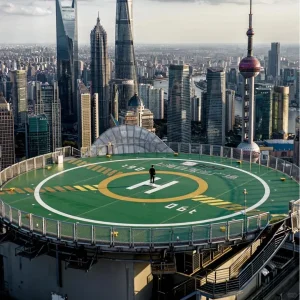
Structural dynamic deck assemblies designed for commercial skyscrapers, ensuring structural integrity and vibration dampening.
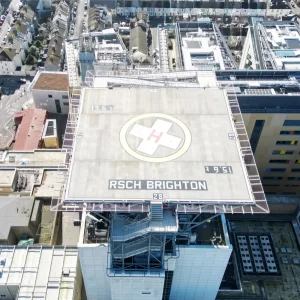
Specifically designed rooftop systems that accommodate air ambulances with safety paths and quick assembly parameters.
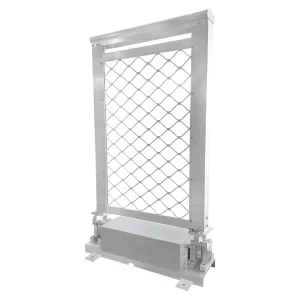
Safety net systems designed to absorb high energy impacts, featuring electric deployment or folding configurations.
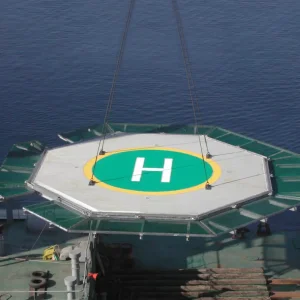
Marine-grade marine decking platforms configured for marine vessels, supply craft, and naval operations.
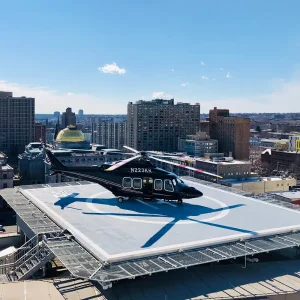
Bulk manufacturing options for rooftop landing platforms, ideal for commercial infrastructure developers.
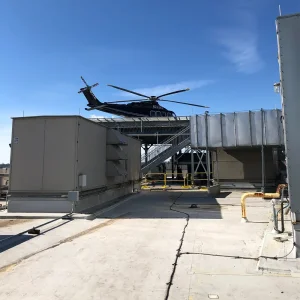
Complete package integration including structure, decking profiles, safety net system, and boundary hardware.
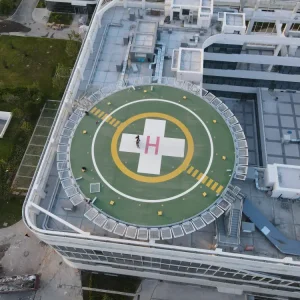
Heavy duty structural elements manufactured with specialized alloys to resist deformation under high point loads.
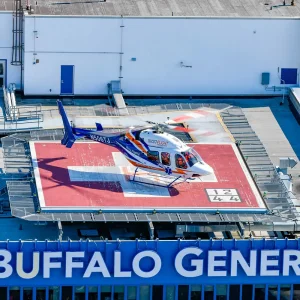
Fully certified medical landing configurations complying with standard emergency rescue and municipal zoning rules.
Get in touch with our veteran engineering and sales departments today. We supply fully detailed CAD drawings, stress analyses, and comprehensive pricelists tailored to the Danish and Northern European markets.
Send Inquiry Now LvXing