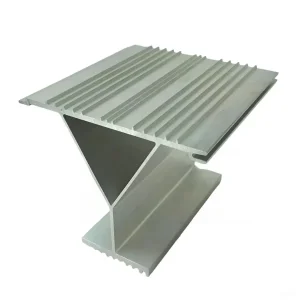
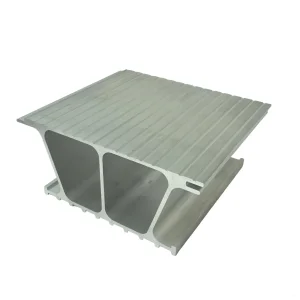
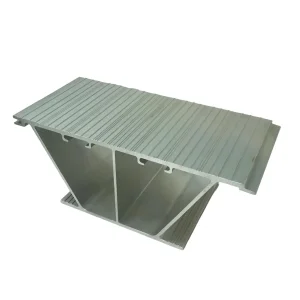
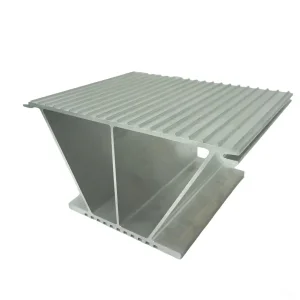
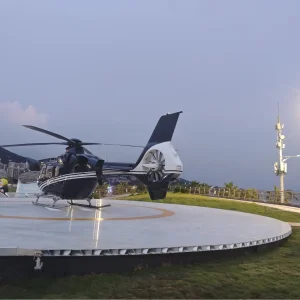
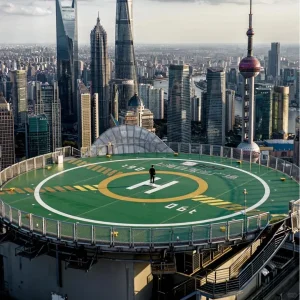
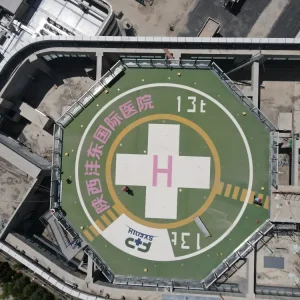
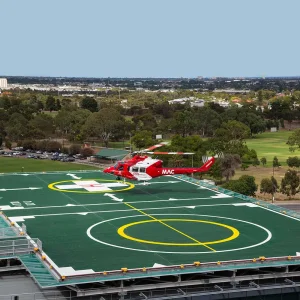
Engineered to withstand tropical monsoon conditions and heavy structural demands, our premier aluminum profiles deliver exceptional load-bearing capacities for rooftop, marine, and surface projects in the Hanoi metro region.
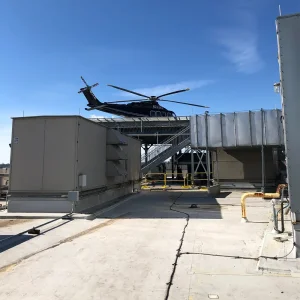
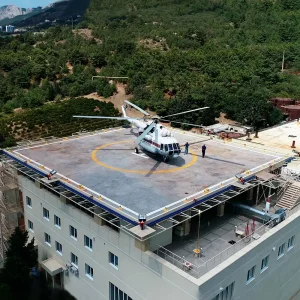
As the administrative and economic engine of Vietnam, Hanoi is undergoing an unprecedented wave of high-density vertical development and infrastructure modernization. Major districts like Ba Dinh, Cau Giay, and Nam Tu Liem are now characterized by high-rise commercial headquarters, luxury hospitality landmarks, and advanced public hospital systems. In tandem with this urban transformation, the demand for aviation integration has skyrocketed, requiring highly engineered rooftop helipads for emergency medical services (EMS), executive transit, and disaster evacuation systems.
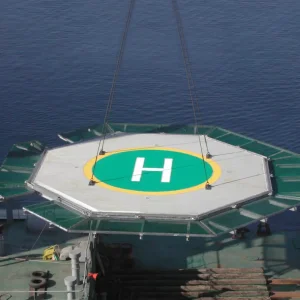
Operating a rooftop helipad in Hanoi presents distinct environmental challenges. With high humidity levels, intense summer heat, and severe storm seasons typical of the tropical monsoon climate, traditional steel and concrete helipads are prone to accelerated corrosion, structural fatigue, and excessive load burdens on building foundations. Lightweight, marine-grade aluminum profile helidecks represent the absolute state of the art, reducing dead loads by up to 65% compared to concrete, while offering zero-maintenance longevity.
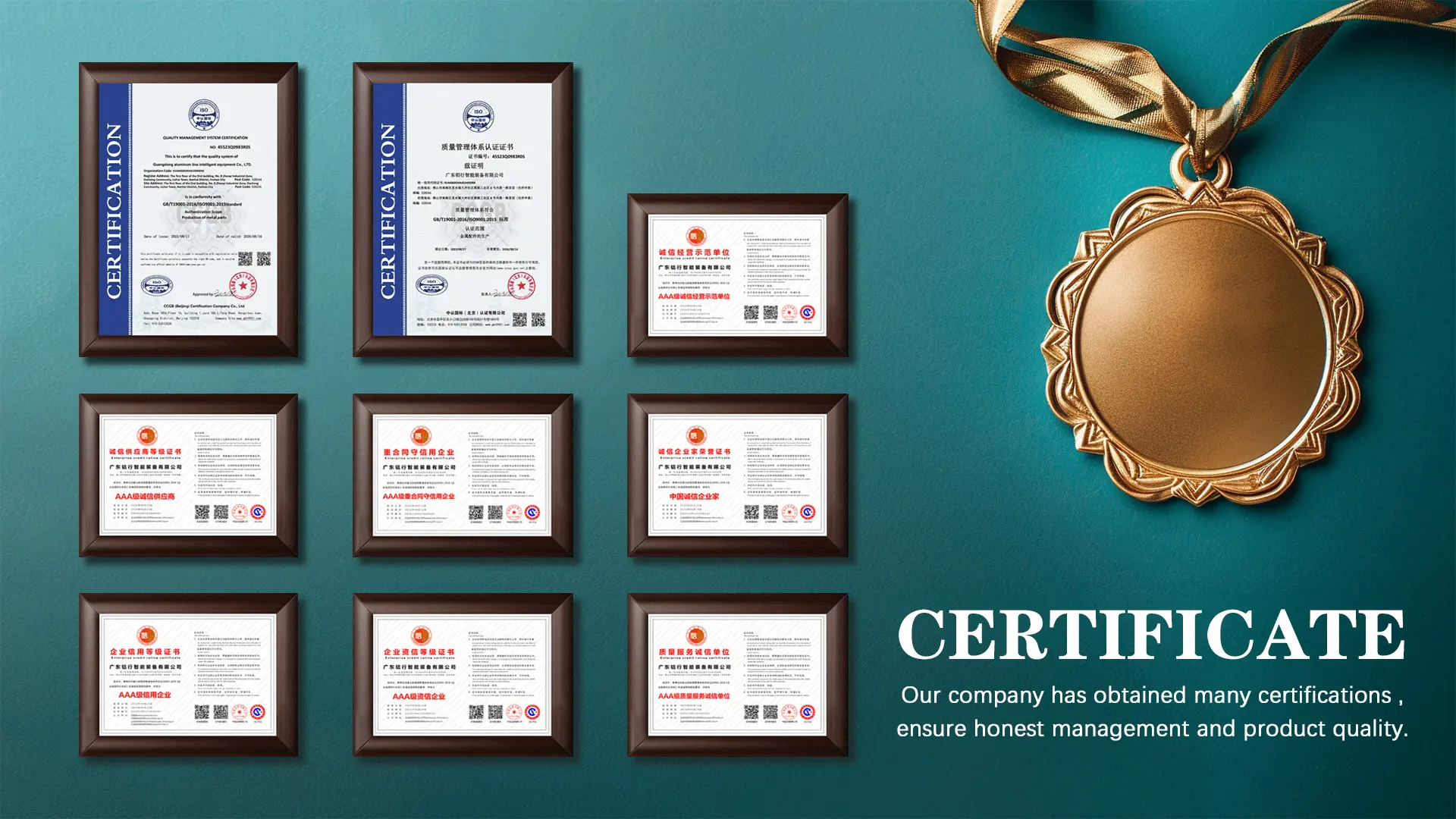
Aviation safety is non-negotiable. Modern heliports must conform to strict international directives including CAP 437, ICAO Annex 14, and ASTM standards. Discover how our manufacturing parameters align with global benchmarks.
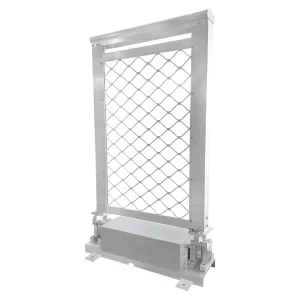
International regulations mandate that perimeter safety nets must prevent personnel from falling while absorbing the energy of dynamic impacts without causing injury. Our helideck safety nets feature high-tensile 316 stainless steel or aluminum structures designed to withstand corrosion in humid tropical regions like Hanoi, assuring long-term structural integrity.
Engineers worldwide are shifting away from heavy concrete slabs. Modular aluminum extruded profiles feature built-in drainage channels for rainwater and fuel runoffs, integrated slot designs for fast-fastening tie-down points, and integrated pathways for LED perimeter lighting. This clean integration lowers engineering overheads significantly.
Northern Vietnam experiences significant temperature swings and seismic activity considerations. Advanced interlocking aluminum deck profiles allow controlled micro-expansion without structural warping, absorbing seismic shifts and building vibrations far better than brittle concrete structures.
Every structural profile that exits the assembly line undergoes ultrasonic weld testing, dimension variance audits within 0.1mm tolerances, and hardness validation tests. This ensures that heavy rescue helicopters can execute hard landings safely on our decks.
Established in 2015 and located in Foshan City, Guangdong—China's industrial capital for aluminum processing—LvXing Intelligent Equipment Co., Ltd. boasts a highly skilled R&D team with extensive engineering experience. We leverage exceptional technical expertise to transform our clients' architectural and aviation visions into functional realities, consistently matching their precise design specifications.
We utilize premium Fenglu aluminum, offering a diverse and customizable range of profiles for flexible structural applications. Our heavy industrial extrusion lines, ranging from 800T to 20,000T, comfortably accommodate high-grade alloys from the 1xxx, 2xxx, 3xxx, 5xxx, 6xxx, and 7xxx series. This allows us to produce complex shaped products with section dimensions up to 1.2 meters in width and 28 meters in length. These profiles are recognized globally for their precision and meticulous processing, finding broad application in aerospace, defense, medical rescue, and critical industrial sectors.
Our commitment to manufacturing excellence is evident throughout every phase: rigorous raw material sourcing, tight-tolerance extrusion, precision CNC machining, strict quality assurance checks, secure ocean-worthy packaging, and reliable shipping logistics. This persistent dedication has earned us recognition as an national excellent and honest enterprise, coupled with quality system certifications in accordance with GB/T19001-2016/ISO9001:2015 standards.
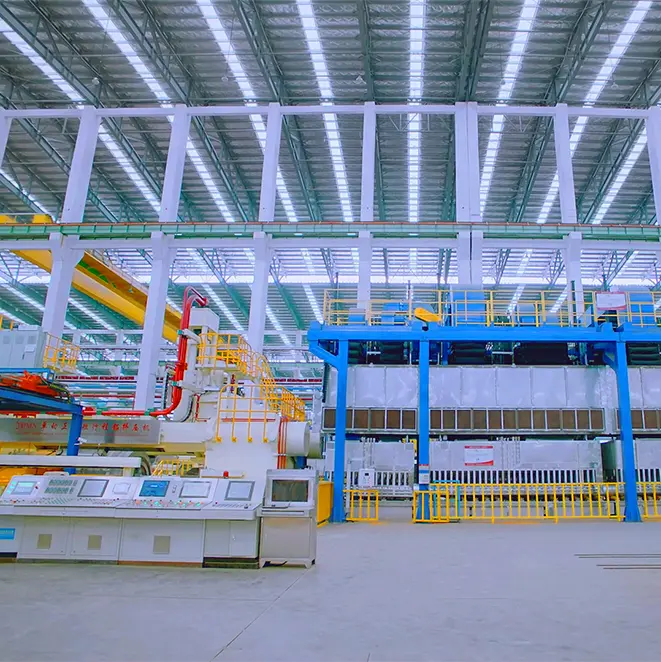
Why Tier-1 developers and aviation engineers trust LvXing for their high-stakes heliport structural designs.
We have obtained the prestigious “Special Aluminium Materials for Aerospace” Certification, proving our capability to supply materials for heavy aviation loads.
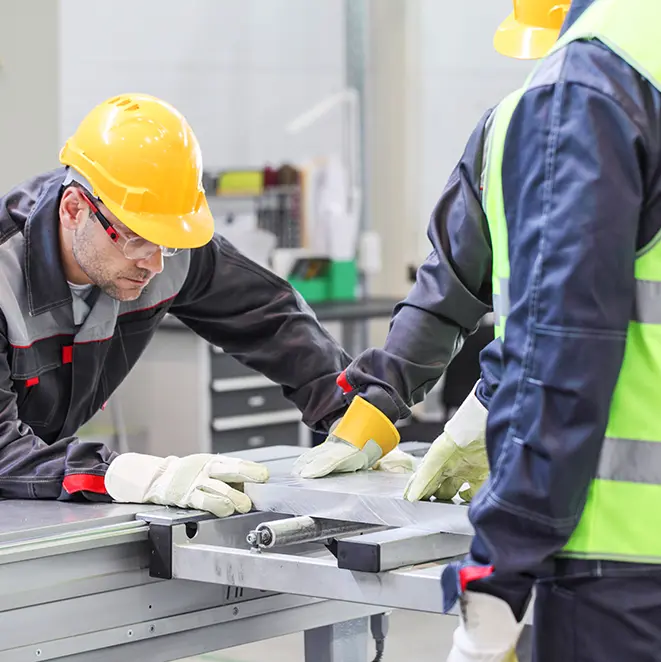
We utilize premium Fenglu aluminum. With extrusion lines from 800T to 20,000T, we support alloys 1xxx-7xxx, reaching section widths up to 1.2m and lengths up to 28m.
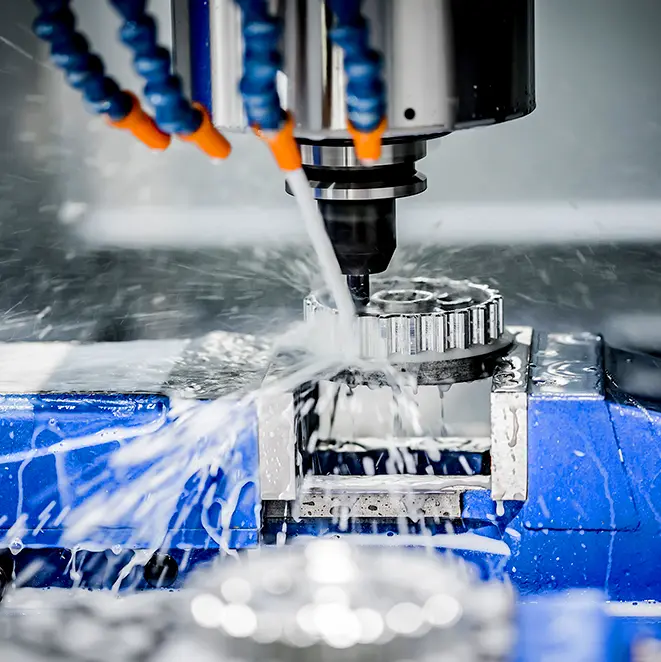
Our technical team has 15 years of invaluable experience. We identify potential structural challenges and turn complex user drawings into robust finished products.
Sourcing helipad components internationally requires trust in structural integrity, shipping schedules, and financial viability. By grouping the raw materials production of the Foshan aluminum cluster with our automated CNC processing lines, LvXing realizes a optimized vertical integration. Our Factory 4.0 configuration translates directly into tangible benefits for infrastructure developers in Southeast Asia:

Tailored structural configurations designed specifically for the zoning, environment, and development trends of Vietnam's capital.
Essential for regional hospitals (such as Bach Mai or Viet Duc expansions). Our lightweight structural profiles allow existing medical buildings to support rooftop emergency landing zones, bypassing costly foundation reinforcements.
Modern commercial developments in Tay Ho and Cau Giay districts utilize high-strength aluminum decks to cater to VIP guests and executive travel, combining visual appeal with structural integrity.
Given Vietnam's extensive coastline, our marine-grade 6000-series alloy structural profiles are heavily utilized for naval vessels and coastal patrol stations, providing extreme resistance to salty air and heavy waves.
For high-tech manufacturing parks surrounding Hanoi (such as Bac Ninh and Thai Nguyen), landing platforms provide critical emergency evacuation routes for safety-conscious global tenants.
Critical engineering questions answered by our structural design directors.
Aluminum structural decks reduce dead loads by 60% to 70% compared to traditional concrete. In metropolitan areas like Hanoi, this allows developers to integrate helipads onto building roofs without requiring massive foundation upgrades. Furthermore, aluminum offers built-in corrosion resistance against high tropical humidity and acidic rainfall.
Our perimeter safety nets are engineered in strict compliance with CAP 437 and ICAO Annex 14 standards. We utilize corrosion-resistant marine-grade 316 stainless steel or structural aluminum frames. They are tested to withstand dynamic impacts without compromising personnel safety.
Yes. Backed by our 15-year engineering team and heavy extrusion presses ranging up to 20,000T, we can handle complex custom designs. We manufacture custom section dimensions up to 1.2 meters wide and 28 meters long, conforming exactly to your project specifications.
Our aluminum helidecks have an expected maintenance-free lifespan exceeding 30 years. Unlike steel, they do not require sandblasting or painting. Periodic visual inspections of the connection points and safety netting are generally the only maintenance required.
Explore our full range of certified helidecks, perimeter safety netting, and customizable profiles available for immediate export to Hanoi.
Consult with our structural engineering team today to receive detailed technical drawings, wind-load assessments, and competitive factory-direct pricing for Hanoi developments.
Send Inquiry Now LvXing