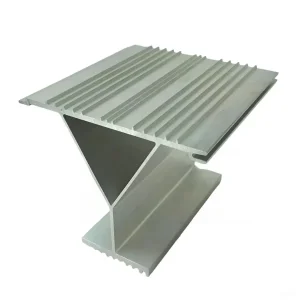
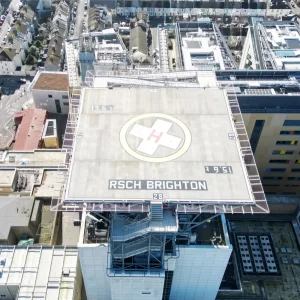
High-performance interlocking aluminum profiles and engineering components certified to global civil aviation standards, optimized for construction projects across Pakistan.
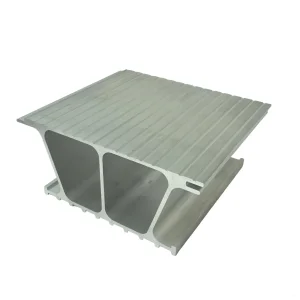
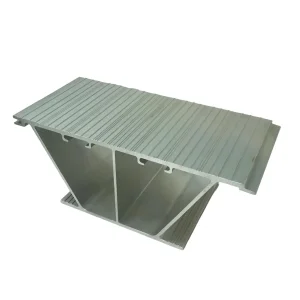
An authoritative guide on code compliance, material science, and procurement economics for structural helidecks and safety nets in Pakistan's rapidly expanding civil and industrial airspace.
As Pakistan undergoes deep structural developments under the China-Pakistan Economic Corridor (CPEC) and experiences localized urban verticalization in metropolitan zones like Karachi, Lahore, and Islamabad, the demand for dedicated rotary-wing aviation infrastructure has spiked. High-rise healthcare facilities, regional military outposts, offshore maritime borders, and emergency response hubs increasingly require reliable, maintenance-free helipads.
Unlike conventional concrete helipads, which impose massive structural dead-loads on buildings and suffer from crack propagation under extreme weather conditions, modern aluminum helidecks offer a lightweight, high-strength solution. Engineered from premium 6xxx series alloys, these structural configurations significantly lower the seismic load of building rooftops and provide life-long corrosion resistance in high-humidity areas like Gwadar and Karachi.
Note for Structural Engineers: Incorporating structural aluminum profiles for landing decks reduces the total load on host columns and foundation networks by up to 65% compared to reinforced concrete structural slabs. This allows developers in earthquake-prone zones like Islamabad (Zone 2B/3) to integrate rooftop helipads without requiring expensive structural reinforcement down to the foundation.
Every commercial, medical, and military helipad constructed in Pakistan must comply with strict aviation parameters set by the Pakistan Civil Aviation Authority (PCAA). These local rules strictly align with the international standards outlined in ICAO Annex 14 Volume II (Heliports) and CAP 437 (Standards for Offshore Helicopter Landing Areas). Key regulatory metrics include:
Lvxing Intelligent Equipment utilizes premium Fenglu aluminum, a raw material renowned for its high-grade performance in demanding structural applications. By processing alloys across high-capacity extrusion lines ranging from 800T to 20,000T, we produce shaped profiles up to 1.2 meters in width and 28 meters in length. These profiles offer key structural benefits:
| Alloy Grade | Yield Strength (Min) | Tensile Strength (Min) | Key Applications in Pakistan Projects |
|---|---|---|---|
| Alloy 6061-T6 | 240 MPa | 290 MPa | High-load structural frames, offshore helidecks in saline marine zones. |
| Alloy 6082-T6 | 250 MPa | 290 MPa | Heavy-duty structural configurations, military tactical helipads. |
| Alloy 6063-T6 | 170 MPa | 215 MPa | Interlocking deck planks, perimeter safety net framing, edge support profiles. |
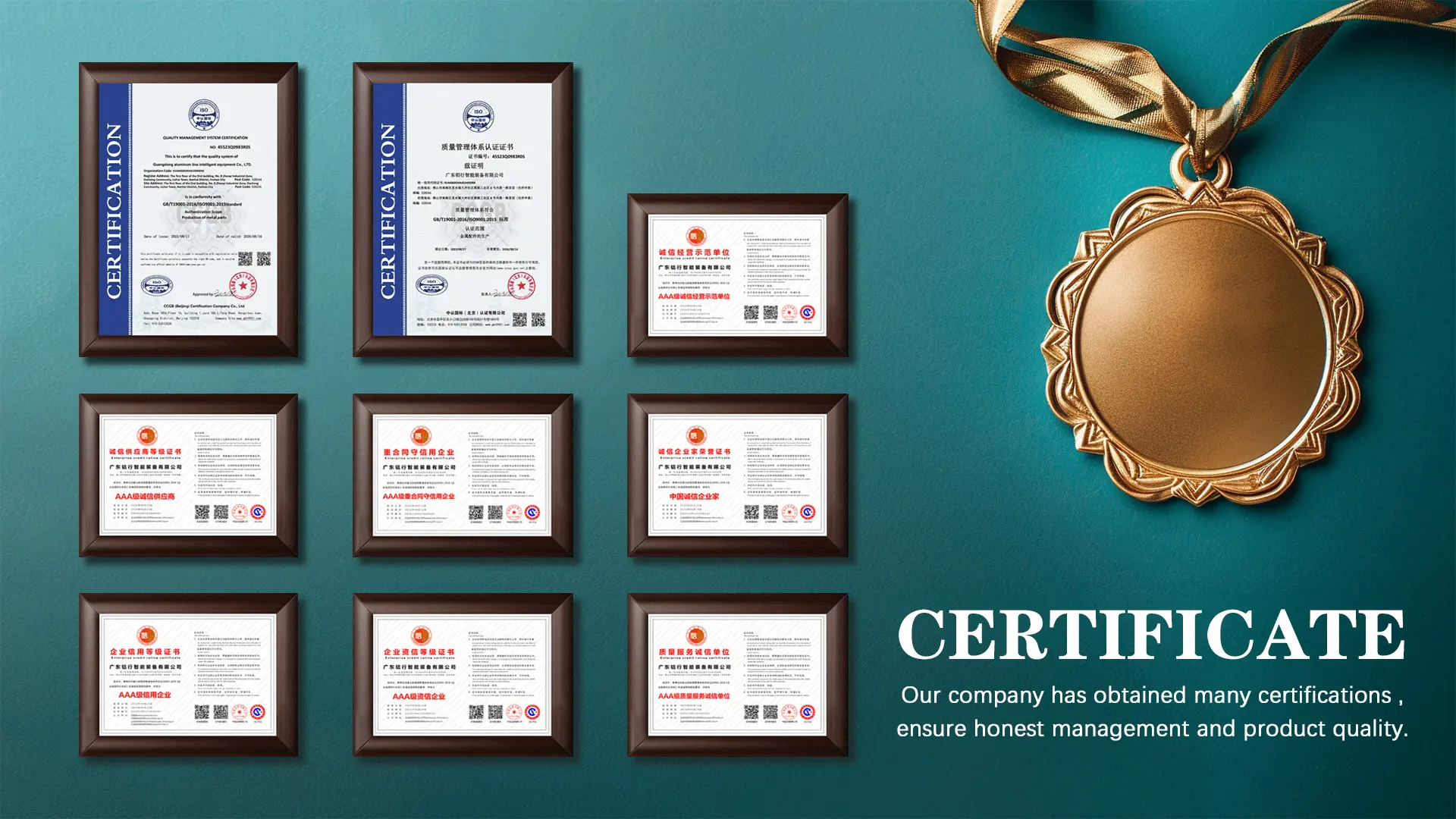
By leveraging Chinese manufacturing expertise in Foshan, Guangdong—the global epicenter of aluminum extrusion—we offer Pakistani EPC contractors and developers an unmatched combination of low unit costs, high structural reliability, and certified performance compliance (validated by our "Special Aluminium Materials for Aerospace" Certificate).
Why global procurement teams and regional engineering firms trust LvXing for helideck infrastructure.
We hold the prestigious "Special Aluminium Materials for Aerospace" Certification, assuring that every profile delivered to Pakistan meets high safety tolerances.
Equipped with 800T to 20,000T extrusion lines. We process alloys in 1xxx, 2xxx, 3xxx, 5xxx, 6xxx, and 7xxx series to shape profiles up to 1.2m wide and 28m long.
Our dedicated engineering team translates rough designs into functional, wind-tunnel-tested, and CAA-compliant landing structures.
Explore our expanded product line, fully customizable to match localized architectural and topographic requirements in Pakistan.
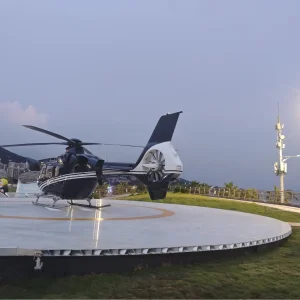
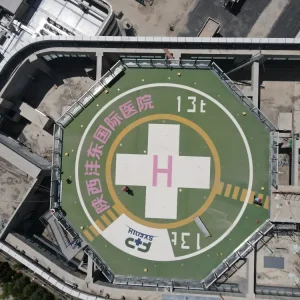
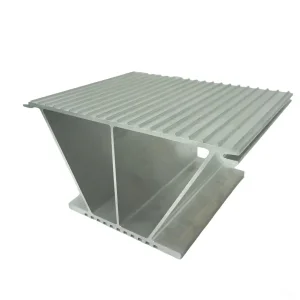
Installing an aluminum helipad deck requires precise coordination. The modular design of our interlocking aluminum profiles allows fast assembly, reducing installation schedules by up to 50% compared to typical structural steel or concrete systems. The standard construction path includes:

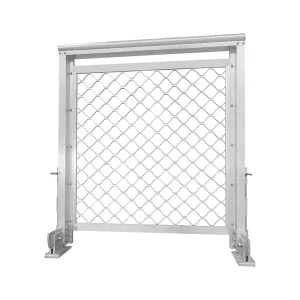
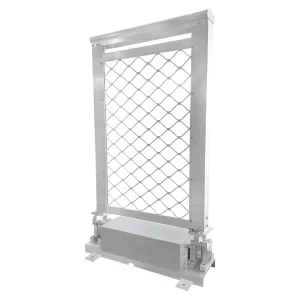
Safety nets are critical safety components on elevated helipads. During active flight operations, these barriers must be positioned slightly below the deck plane to remain clear of the helicopter's rotor wash. We provide two configurations:
A. Manual Swing-Down Systems: Heavy-duty mechanical hinges allow safety crews to fold the mesh frames down before landing and raise them post-takeoff. Ideal for lower-traffic rooftop facilities.
B. Electric Motorized Systems: Controlled via a centralized PLC terminal in the control booth, these systems use electric actuators to swing the perimeter nets down automatically when flight operations are initiated. This design is highly recommended for coastal marine installations and offshore platforms in the Arabian Sea, where safety response times are critical.
Answers to common technical, regulatory, and logistic questions about helipads and safety nets in Pakistan.
 LvXing